What Makes a Strong Art Topic?
Selecting an effective art topic separates mediocre essays from exceptional analytical work that demonstrates genuine engagement with visual culture and artistic discourse. Understanding the characteristics of strong art topics helps you avoid common pitfalls including choosing subjects too broad for meaningful analysis or too narrow to find adequate scholarly sources.
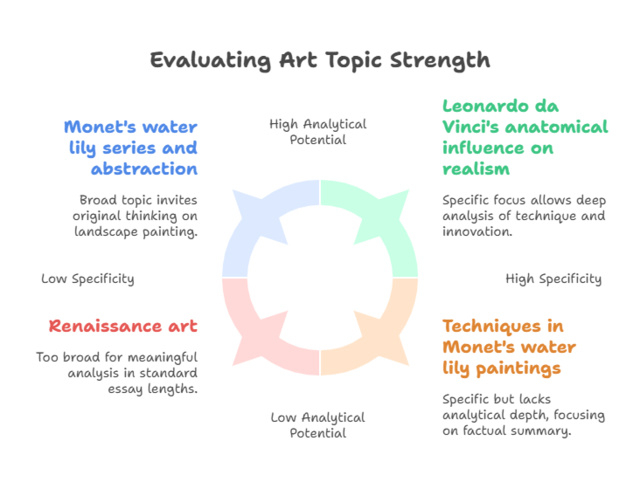
1. Specificity enables depth. Strong art topics focus narrowly enough to permit thorough examination rather than superficial coverage. "Renaissance art" encompasses hundreds of artists across two centuries and multiple countries, making comprehensive analysis impossible in standard essay lengths. Conversely, "How did Leonardo da Vinci's anatomical studies influence the realism in his portrait paintings?" provides specific focus allowing detailed exploration of technique, historical context, and artistic innovation within manageable scope.
2. Research support matters. Before committing to any art topic, verify that sufficient scholarly sources exist to support your analysis. Academic databases should yield peer-reviewed journal articles, scholarly books, and museum publications examining your chosen subject. Topics related to famous artists and major movements typically offer abundant sources, while emerging artists or niche subjects may require more creative research approaches including exhibition catalogs, artist statements, and critical reviews from reputable publications.
3. Assignment alignment prevents problems. Match topic complexity to assignment requirements. A 5-page essay analyzing a single painting's composition and symbolism works well, while attempting to trace Impressionism's entire development would demand 20+ pages for adequate coverage. Consider required source types, citation styles, and whether your instructor expects descriptive analysis, comparative examination, or argumentative positions about artistic merit or cultural significance.
4. Personal interest shows. Your enthusiasm for a topic manifests in writing quality, research thoroughness, and analytical insight. Forcing yourself through essays about subjects that bore you produces mechanical work lacking the engagement that impresses instructors. If Renaissance paintings don't excite you but contemporary street art does, choose topics reflecting genuine curiosity even when they seem unconventional for academic contexts.
5. Analytical potential matters most. The strongest art topics invite interpretation, debate, and original thinking rather than simple description or fact reporting. "What techniques did Monet use in his water lily paintings?" asks for factual summary, while "How did Monet's water lily series revolutionize landscape painting's relationship with abstraction?" demands analysis, evidence, and original argument. Frame topics as questions requiring interpretation rather than statements requesting description.
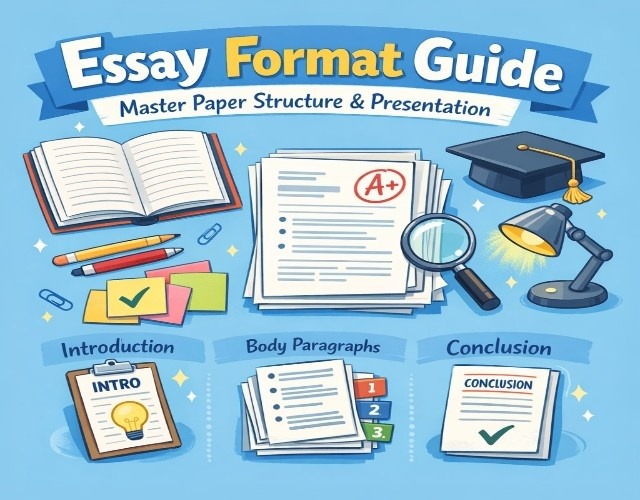
Master the fundamentals of essay structure with our guide on essay format before diving into art analysis!
How to Choose Your Perfect Art Topic
Topic selection determines whether you'll enjoy researching and writing your art essay or dread every minute of the process. Follow this systematic approach to identify topics that match your interests, meet assignment requirements, and offer sufficient depth for meaningful analysis.
1. Start with genuine curiosity. List art periods, movements, artists, or issues that genuinely interest you. Don't choose topics because they seem impressive or intellectual if they bore you. Your authentic enthusiasm will sustain you through research challenges and produce more engaging writing than forced interest in "important" subjects that leave you cold.
2. Review assignment parameters carefully. Identify required essay length, source types, citation style, and due date before narrowing your topic. A 1000-word essay needs different scope than a 3000-word research paper. Check whether your instructor requires primary sources like artist interviews or exhibition reviews, or accepts secondary scholarly analysis. Understanding these constraints prevents wasting time developing topics that don't fit assignment specifications.
3. Conduct preliminary research. Before fully committing to a topic, spend 30 minutes searching academic databases to confirm adequate sources exist. If you find fewer than 5-8 credible scholarly sources during initial searches, your topic may be too narrow or obscure for successful essays. Conversely, if searches return thousands of results, you may need to narrow further to distinguish your analysis from existing scholarship.
4. Test topic specificity. Try stating your topic as a specific question rather than a broad subject. "Impressionism" is a subject. "How did Impressionist painters' rejection of academic conventions influence modern art's development?" is an analytical question. If you can't formulate your topic as a specific question, it's probably too broad for effective essays.
5. Consider your expertise level. Beginning art students should choose topics with clear research trails and established scholarly interpretations before attempting controversial revisionist analyses. As you develop expertise, you can tackle more complex topics requiring sophisticated understanding of art historical debates and theoretical frameworks. Be honest about your current knowledge level when selecting topics.
6. Narrow through specificity layers. Start broad and add specificity layers until you reach appropriate scope. Begin with "Modern art" and then move to "Abstract Expressionism." Specifiy it further with "Jackson Pollock's drip paintings" and finalize it with "How did Pollock's drip technique challenge traditional notions of artistic control and intentionality?" Each layer narrows focus and increases analytical potential.
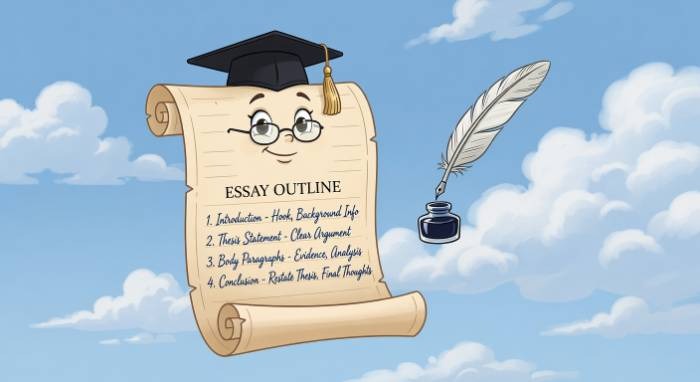
Plan your research approach using our comprehensive essay outline guide for organizing complex art analysis!
You've Done Enough. Let Us Finish It Get an A-Worthy Essay Without the All-Nighter No AI. No recycled papers. 100% original or your money back.
Art History Topics - Ancient to Modern
Art history topics examine specific periods, movements, and stylistic innovations that shaped visual culture across centuries. These topics work well for research papers requiring historical context, primary source analysis, and understanding of how artistic styles evolved in response to technological, social, and philosophical changes.
Ancient and Classical Art Topics
Ancient civilizations developed sophisticated artistic traditions that established foundational concepts still influencing contemporary visual culture. These topics require examining archaeological evidence, surviving artifacts, and scholarly interpretations of artistic purposes and meanings.
- Why did Egyptian art maintain the same stylistic conventions for over 3,000 years?
- How did Ancient Greek sculpture techniques reflect philosophical beliefs about ideal human forms?
- What role did art play in Roman political propaganda and imperial legitimacy?
- How do Egyptian and Mesoamerican pyramids compare in architectural design and cultural symbolism?
- Why did Mayan culture depict human sacrifice so prominently in visual arts?
- How did Ancient Greek pottery painting evolve from geometric to naturalistic styles?
- What techniques enabled Ancient Greek sculptors to create the illusion of fabric in marble?
- How did Roman artistic styles shift during the 4th century transition to Christianity?
- What engineering and artistic innovations made the Great Wall of China possible?
- How was female beauty portrayed in Ancient Egyptian art compared to Greek ideals?
Medieval and Renaissance Art Topics
Medieval and Renaissance periods witnessed dramatic shifts in artistic techniques, subject matter, and cultural purposes as Europe transitioned from feudalism to early modern society.
- How did stained glass techniques and symbolism function in Medieval French cathedrals?
- What Biblical motives appear most frequently in Leonardo da Vinci's early paintings?
- How did Renaissance artists use Christian symbols to convey complex theological concepts?
- In what ways did Renaissance beauty standards differ from medieval representations?
- What distinguished Raphael's contributions to High Renaissance art from his contemporaries?
- How did Venetian carnival masks reflect social hierarchies and cultural traditions?
- What role did Greek theater play in Mediterranean cultural life?
- How did the development of perspective techniques revolutionize Renaissance painting?
- What social and economic conditions enabled the Renaissance art market to flourish?
- How did Northern Renaissance art differ from Italian Renaissance approaches?
18th and 19th Century Art Topics
These centuries exploded with artistic innovation as artists rejected academic traditions and experimented with new techniques, subjects, and philosophical approaches to visual representation.
- How did the Industrial Revolution influence artistic development and subject matter?
- What distinguishes Late Baroque architecture from earlier Baroque styles?
- How did Rococo interior design reflect aristocratic values in 18th century France?
- Why were Denis Diderot's art criticism essays significant for French visual culture?
- How did Neoclassicism combine ancient influences with contemporary aesthetic philosophies?
- What are the key differences between Baroque excess and Rococo delicacy?
- How did First Viennese School composers influence parallel developments in visual arts?
- What made Vincent van Gogh's Starry Night revolutionary in its use of color and movement?
- How did Victorian beauty standards manifest in portrait paintings and sculptures?
- Why is Claude Monet's Impressionist painting "Sunrise" considered historically significant?
20th Century Modern Art Topics
Modern art movements challenged every assumption about artistic purposes, techniques, and aesthetic values, creating unprecedented diversity in visual expression.
- How do Art Deco and Art Nouveau movements compare in design philosophies and applications?
- What surrealist techniques did Salvador Dalí employ in his sculptural works?
- What basic principles defined Futurism's revolutionary approach to representing motion?
- How did Frida Kahlo use symbolism in her self-portraits to explore identity and suffering?
- What unconventional techniques characterized Jackson Pollock's abstract expressionist paintings?
- How does Gustav Klimt's "The Kiss" blend realistic and decorative stylistic elements?
- What makes Jasper Johns' Flag paintings significant in American contemporary art?
- How did Pablo Picasso's mannerist style evolve throughout his career?
- What role did the Bauhaus movement play in connecting visual art and functional design?
- How did photography's acceptance as legitimate art form change visual culture?
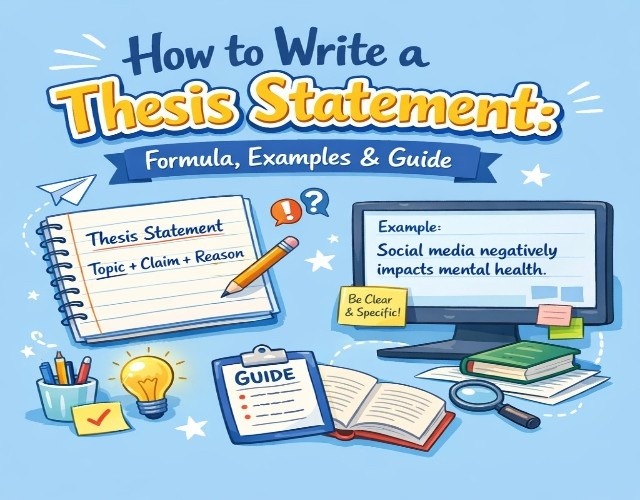
Develop compelling arguments about art with guidance from our thesis statement examples resource!
Artist Biography Topics
Artist biographies examine how personal experiences, cultural contexts, and historical circumstances shaped creative output and artistic innovations. These topics work exceptionally well for analytical essays connecting life circumstances to stylistic choices and thematic preoccupations.
18th Century Artists
These artists bridged traditional academic approaches and modern innovations as European society underwent dramatic social and economic transformations.
- William Blake's mystical visions and their influence on Romantic poetry and visual art
- Francisco Goya's evolution from court painter to dark satirist of Spanish society
- J.M.W. Turner's revolutionary treatment of light and atmosphere in landscape painting
- Jacques-Louis David's role in French Revolutionary propaganda through Neoclassical painting
- Eugène Delacroix's dramatic use of color and movement in Romantic historical scenes
- Thomas Gainsborough's portraits of British aristocracy and their cultural significance
- Wolfgang Amadeus Mozart's connections between musical and visual artistic movements
- Katsushika Hokusai's influence on Western artists through Japanese woodblock prints
Imagine Submitting Without the Panic
Your Essay. Written by Pros. Delivered on Time
Hand It Off to Experts
100% original. 100% human. Satisfaction guaranteed
Imagine Submitting Without the Panic
Your Essay. Written by Pros. Delivered on Time
100% original. 100% human. Satisfaction guaranteed
19th Century Artists
This revolutionary century saw artists reject academic conventions and establish modernism's foundations through radical experiments with technique, subject, and purpose.
- How did Vincent van Gogh's mental illness influence his artistic style and subject choices?
- What distinguished Claude Monet's approach to light from other Impressionist painters?
- How did Gustav Klimt blend decorative and symbolic elements in his portraits?
- Why did Auguste Renoir focus on depicting pleasure and beauty in everyday life?
- How did Edgar Degas' ballet dancer paintings reveal social class tensions?
- What made Paul Cézanne's approach to form and structure revolutionary for modern art?
- How did Georges Seurat develop and apply Pointillist painting techniques?
- What personal experiences influenced Frédéric Remington's Western American art?
20th Century Artists
Modern and contemporary artists redefined art's boundaries by questioning traditional assumptions about beauty, technique, meaning, and artistic purpose.
- How did Louise Bourgeois use sculpture to explore trauma and female experience?
- What made Marcel Duchamp's readymades revolutionary for conceptual art?
- How did Frida Kahlo's self-portraits challenge cultural norms about gender and beauty?
- Why did Pablo Picasso's stylistic versatility make him central to multiple movements?
- How did Andy Warhol's Pop Art critique consumer culture and celebrity?
- What distinguished Georgia O'Keeffe's approach to painting flowers and landscapes?
- How did Henry Moore's abstract sculptures reinterpret human figure representation?
- Why was Frank Lloyd Wright's integration of art and architecture significant?
Structure your artist biography analysis with proper organization using our essay writing conventions guide!
Art Therapy and Wellness Topics
Art therapy combines psychology, counseling, and creative expression to support mental health, emotional processing, and personal growth. These topics suit research papers examining therapeutic applications or persuasive essays advocating for art therapy recognition.
- How effective is art therapy as psychotherapy compared to traditional talk therapy?
- What role does art therapy play in helping abused children process trauma?
- How do art therapy techniques support family and community healing processes?
- What benefits does the creative process itself provide beyond finished artworks?
- How does art therapy in group settings differ from individual therapy approaches?
- What evidence supports art therapy's effectiveness for treating childhood behavioral issues?
- How can quantitative research methods evaluate art therapy outcomes and effectiveness?
- What techniques do art therapists commonly employ for different mental health conditions?
- How does engaging with visual art reduce stress and promote relaxation?
- Why should medical insurance coverage include art therapy services?
- What makes art therapy particularly effective for trauma survivors?
- How do different art mediums serve different therapeutic purposes?
- What training and credentials do qualified art therapists require?
- How does art therapy support mental health treatment in clinical settings?
- What role can art-making play in addiction recovery programs?
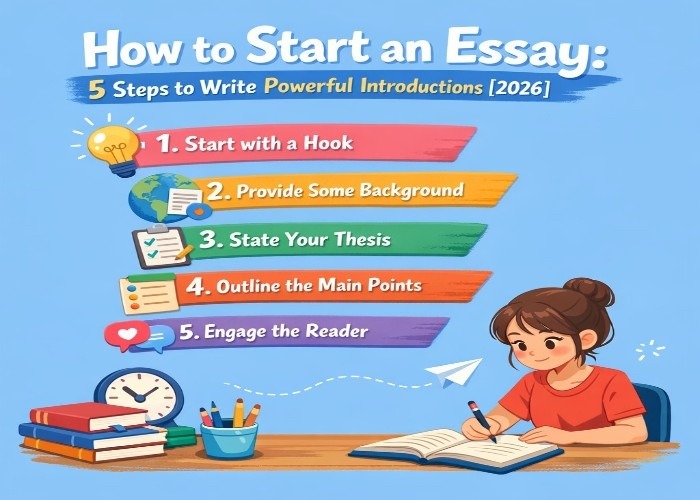
Need help starting your art therapy essay? Check our guide on how to start an essay with compelling openings!
Cultural and Cross-Cultural Art Topics
Cultural art topics explore how geography, religion, tradition, and social structures influence artistic expression across different societies. These comparative topics work well for essays examining cultural values through visual analysis.
Cross-Cultural Comparisons
- How has Pop Art influenced American consumer culture and national identity?
- What styles and materials characterize Japanese calligraphy's aesthetic principles?
- How do henna pattern traditions differ across Middle Eastern, Indian, and African cultures?
- What role does fashion and textile art play in Asian tribal cultural preservation?
- How does the Maori haka war dance combine movement, music, and visual expression?
- What distinguishes Bollywood from Hollywood in dance choreography and visual style?
- How do Bollywood and American romantic comedies differ in visual storytelling?
- What makes Iranian cinema distinctive in international film art?
- What cultural significance does the sitar hold in Hindu musical traditions?
- How do contemporary dance forms vary across different cultural contexts?
Ancient Civilization Art
- How did scientific knowledge influence Ancient Greek sculptural techniques?
- What caused the major shift in Roman artistic style during the 4th century?
- How does Great Wall of China construction blend engineering and artistic elements?
- What role did women play in Ancient Roman politics as depicted in art?
- How was female beauty represented across different Ancient civilizations?
- What architectural innovations distinguished Ancient Roman buildings?
- How did Ancient Greek literature and theater interact with visual arts?
- What did Ancient civilizations contribute to modern artistic practices?
- How did different cultures depict beauty ideals in their artistic traditions?
- What role did public art play in Ancient Mediterranean political life?
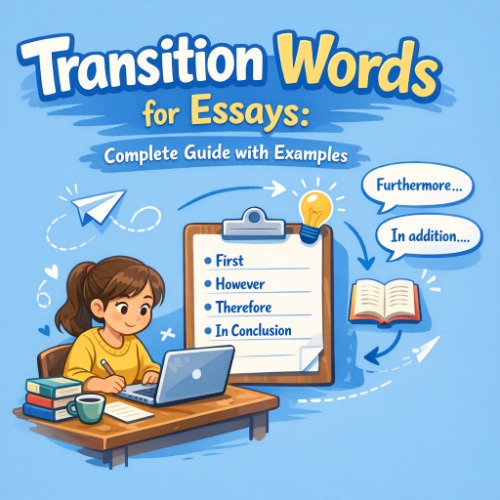
Connect your ideas smoothly with guidance from our transition words for essays resource!
Your Time Is Worth More Than This Get Hours Back. Get a Better Essay Zero AI. Zero plagiarism. Just expert-level writing.
Modern and Contemporary Art Topics
Modern art topics examine 20th and 21st century movements, styles, and debates that continue shaping contemporary visual culture and artistic practice.
- How did the Abstract Expressionism movement establish New York as art world center?
- What made Pablo Picasso the founder of Cubism and its most influential practitioner?
- How do Impressionism and Cubism differ in their approaches to visual representation?
- What social and economic factors enabled American Pop Art's development?
- Is contemporary art primarily driven by genuine innovation or market speculation?
- How have political cartoons functioned as legitimate art forms?
- Why do many people find modern art intimidating or inaccessible?
- What techniques and technologies enabled printmaking's historical development?
- How does philosophy of arts examine relationships between aesthetics and meaning?
- What distinguishes Art Deco's sleek modernity from Art Nouveau's organic forms?
- How did street art evolve from illegal graffiti to mainstream gallery acceptance?
- What impact has digital technology had on contemporary artistic practice?
- How do contemporary artists address environmental issues through visual work?
- What role does identity politics play in current art world discussions?
- How has social media changed how artists share and market their work?
Comparative Art Topics
Comparative essays examining similarities and differences between artists, movements, or cultural traditions demonstrate sophisticated analytical thinking and deep understanding of artistic contexts.
- How do Picasso's Blue and Rose periods compare in emotional tone and technique?
- What distinguishes Baroque excess from Rococo delicacy in design and architecture?
- How does traditional Caribbean music differ from modern interpretations?
- What major differences separate Renaissance and Baroque artistic philosophies?
- How do Picasso and Leonardo da Vinci compare in artistic innovation and influence?
- What distinguishes Roman mythology from Greek mythology in visual representations?
- How do Venus de Milo and Rodin's Thinker represent different sculptural approaches?
- What similarities and differences characterize 18th versus 19th century artwork?
- How do Indian and African artistic traditions compare in materials and purposes?
- What different techniques suit landscape versus portrait painting?
- How does representational art differ from abstract art in viewer engagement?
- What separates fine art from commercial art in cultural status and purpose?
- How do Eastern and Western art traditions approach perspective and space differently?
- What distinguishes public art from gallery art in intention and reception?
- How have male and female artists been treated differently historically in art world?
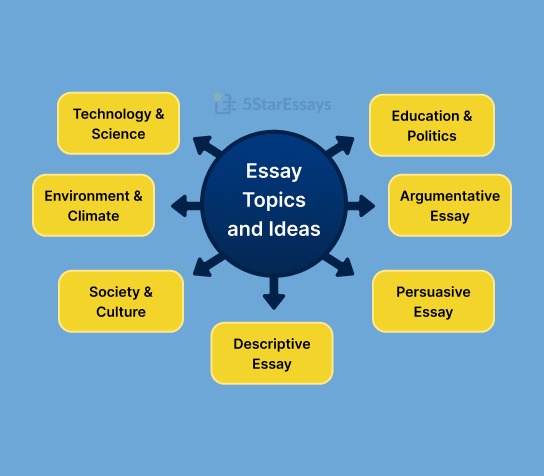
Explore more comparative angles with our comprehensive essay topics collection across all subjects!
Argumentative Art Topics
Argumentative art topics require taking clear positions and defending them with evidence and logical reasoning. These controversial subjects invite debate about artistic merit, cultural value, and social significance.
- What qualifies as the single most significant artwork of the 20th century and why?
- Is street graffiti legitimate art or criminal vandalism that harms communities?
- Should Banksy be considered a serious artist or merely a clever provocateur?
- Does photography deserve equal status with painting and sculpture as fine art?
- What factors made Paris the undisputed center of art world during 20th century?
- Why does humanity need art beyond practical purposes and economic productivity?
- Is television becoming obsolete in the streaming and internet era?
- What value does print media still provide in our digital information age?
- How does listening to classical music benefit cognitive development and wellbeing?
- Can painting and visual art-making effectively treat mental illness symptoms?
- Should abstract art without recognizable subjects be considered real art?
- Does art deserve more recognition and funding in academic curricula?
- Should children be allowed to create horror-themed artwork in schools?
- What is the fundamental purpose and function of art in human society?
- Is it possible to appreciate artwork without personally liking or enjoying it?
Cause and Effect Art Topics
These topics examine how historical events, social movements, and artistic innovations influenced visual art's development throughout history.
- How did iconoclasm affect Muslim artistic traditions and conventions?
- What caused the decline of artistic production and quality during Medieval Europe?
- How did China's Cultural Revolution influence contemporary Chinese art?
- What impact did printing press invention have on mass media's status?
- How did Raphael's work influence Renaissance art's broader development?
- What effect did Hitler's artistic preferences have on literature and culture?
- How did World War I influence artistic movements and individual artists?
- How did World War II shape literature and visual arts in its aftermath?
- How did William Blake's work establish foundations for modern art?
- What influence did art have on German population during Hitler's regime?
- How did patronage systems shape Renaissance artistic production?
- What effect did photography's invention have on portrait painting demand?
- How did feminism influence contemporary art's subjects and creators?
- What impact has globalization had on local artistic traditions?
- How did digital art tools change contemporary artistic processes?
Conclude your art analysis powerfully with techniques from our how to write a conclusion guide!
One Click Away From Stress-Free Let Experts Handle Your Essay Tonight Human writers only. Original work always. Guaranteed.
Debate and Persuasive Art Topics
Debate topics require examining multiple perspectives and building persuasive arguments through evidence, emotional appeals, and logical reasoning.
Arts Education Debates
- Should all public schools mandate art classes as graduation requirements?
- Why should students learn musical instruments during elementary education?
- How important is learning multiple languages through cultural immersion programs?
- Should street graffiti be recognized as legitimate contemporary art form?
- Why should museums offer free admission to all citizens?
- What makes cultural art education critical in increasingly diverse schools?
Art and Wellness Arguments
- How effective is music therapy for treating clinical mental health conditions?
- Can painting help treat depression and anxiety as effectively as medication?
- How do cultural interactions enhance professional success in global economy?
- What community wellbeing benefits come from engaging with visual arts?
Controversial Historical Topics
- Was Hitler's artistic background significant for understanding his cultural policies?
- Does modern art deserve legitimacy or is it pretentious nonsense?
- How do Harold Rosenberg and Clement Greenberg's critical approaches differ?
- What makes Russian artists unique in global art historical narratives?
- Is primitivism in Western art appreciation or appropriation of other cultures?
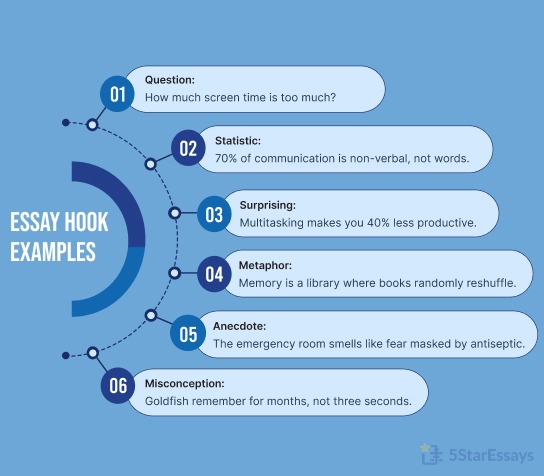
Create attention-grabbing openings with our comprehensive hook examples guide!
Presentation and Performance Art Topics
Presentation topics should be visually engaging and discussion-worthy for oral reports, PowerPoint presentations, or class seminars.
Visual Arts Presentations
- How did street art evolve from illegal graffiti to mainstream acceptance?
- What impact has technology had on contemporary artistic creation and distribution?
- How does art therapy harness creativity's healing power for mental health?
- How have women artists challenged gender norms throughout art history?
- What distinguishes cultural appreciation from cultural appropriation in art?
- How do artists use creative expression for environmental activism?
- What influence have ancient civilizations had on contemporary modern art?
- How does visual art function as narrative storytelling across cultures?
- What role do museums play in preserving and promoting artistic heritage?
- How do art and science intersect in creative innovation and discovery?
Performing Arts Topics
- How does dance function differently across various cultural traditions?
- What drove musical theater's evolution from opera to contemporary forms?
- How has technology impacted contemporary dance performance and choreography?
- How do modern dance performances address pressing social issues?
- What role does improvisation play in creating authentic theatrical experiences?
- How do different classical music styles serve different emotional purposes?
- Why does costume design matter so critically for theatrical storytelling?
- How does music influence human emotions and lived experiences?
- What power does puppetry hold for storytelling across age groups?
- How do multicultural performances blend traditional and contemporary elements?
Literary Arts Topics
- How do writers use symbolism to convey deeper meanings beyond literal text?
- How has the novel evolved from early forms to contemporary genres?
- What impact has postcolonial literature had on global literary discourse?
- How does magical realism blend reality with fantastical elements?
- What role does satire play in social critique across historical periods?
- How did feminist literary movements change women writers' opportunities?
- How is mental health portrayed in contemporary literature?
- What influence does mythology continue having in modern literature?
- How do dystopian novels reflect societal anxieties about future?
- What power do oral storytelling traditions hold in preserving culture?
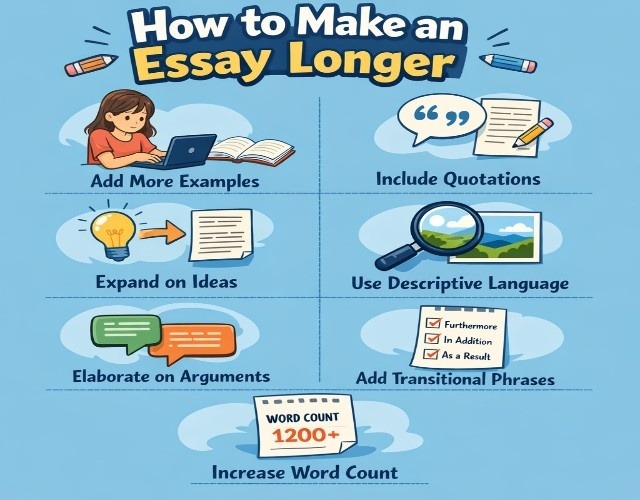
Need more length in your art analysis? Use strategies from our how to make an essay longer guide!
Art and Society Topics
These topics examine art's complex relationships with social structures, political systems, economic forces, and community development.
- How does art function as vehicle for social change and activism?
- What role does public art play in shaping and revitalizing urban communities?
- How do artists critique capitalism and consumer culture through their work?
- What factors lead to art being censored or restricted by authorities?
- What benefits and challenges does arts education face in public schools?
- How does engaging with art provide therapeutic benefits for wellbeing?
- How do artists express and challenge notions of race, gender, and sexuality?
- What relationship exists between art, digital media, and technological advancement?
- How do contemporary artists respond to and raise awareness about ecology?
- What makes community art projects promote dialogue and social inclusivity?
- How does art market speculation affect artistic innovation and quality?
- What role should government funding play in supporting arts and culture?
- How does gentrification affect urban artist communities and cultural production?
- What impact do social media platforms have on artistic distribution and success?
- How can art address social justice issues more effectively than activism?
Your GPA Doesn't Have to Suffer
Expert Writers. Original Essays. Guaranteed Results
Save My Grade Now
Trusted by 50,000+ students. Zero AI. Zero plagiarism.
Your GPA Doesn't Have to Suffer
Expert Writers. Original Essays. Guaranteed Results
Trusted by 50,000+ students. Zero AI. Zero plagiarism.
Research Paper Art Topics
Research papers require extensive investigation, primary and secondary sources, and original analysis suited for longer, more scholarly assignments.
Art Movements and Styles
- How do Gothic and Neo-Gothic architectural styles compare historically?
- What similarities existed between Nazi and Soviet propaganda art?
- Can abstract art be decoded through systematic analytical approaches?
- What aesthetic philosophies define art that deliberately disgusts viewers?
- How did the Bauhaus movement bridge art, design, and architecture?
- What techniques and philosophies defined the Surrealist movement?
- Should photography be considered fine art equivalent to painting?
- What historical and cultural factors enabled Abstract Expressionism's emergence?
Artist Comparisons and Influences
- How do Claude Monet and Édouard Manet compare despite name similarity?
- How does cultural identity shape artistic creation and interpretation?
- How have artists used their work to challenge and break stereotypes?
- What are the inherent limitations of performance art as medium?
- What makes Vivian Maier's mysterious photography so compelling?
- How did 19th century jazz music influence visual arts of that era?
- What hidden meanings exist in famous canonical paintings?
- How do contemporary artists engage with or reject art historical traditions?
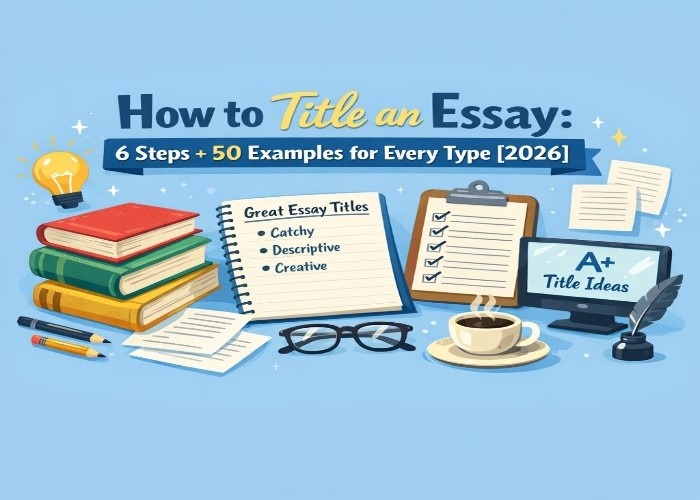
Craft compelling titles for your art essays using our how to title an essay guide!
Tips for Developing Strong Art Topics
Once you've identified potential topics, refine them into focused analytical questions that produce compelling essays demonstrating both knowledge and critical thinking.
1. Frame topics as analytical questions. Transform descriptive subjects into interpretive questions requiring evidence and argument. Instead of "Impressionist painting techniques," ask "How did Impressionist techniques challenge academic painting conventions?" Questions demand answers; subjects invite description.
2. Narrow through specificity. Add layers of specificity until you reach manageable scope. Start with "Renaissance art" and move to "Renaissance sculpture" and then to "Michelangelo's sculptures." Finalize at "How did Michelangelo's David represent Renaissance humanist ideals?" Each layer increases analytical potential while reducing coverage scope.
3. Balance breadth and depth. Topics should be narrow enough for thorough analysis but broad enough to find sufficient sources and sustain interest across required essay length. Analyzing single brushstrokes proves too narrow; examining entire movements proves too broad for most assignments.
4. Consider multiple perspectives. Strong topics acknowledge complexity rather than presenting simplistic arguments. "Why abstract art is meaningless" closes discussion; "How do viewers construct meaning when engaging abstract art?" invites nuanced exploration of multiple interpretive frameworks and aesthetic theories.
5. Connect to broader themes. The most engaging art topics connect specific visual analysis to larger questions about culture, identity, politics, or human experience. Don't just describe what Picasso painted—explore how his work challenged assumptions about representation, beauty, or artistic purpose.
6. Test source availability early. Conduct preliminary database searches before fully committing to topics. If you can't quickly find 5-8 scholarly sources during initial searching, reconsider whether your topic is viable for academic essays requiring research support.
7. Align with your expertise. Match topic complexity to your current knowledge level. Beginning students should tackle well-established interpretations before attempting controversial revisionist analyses requiring sophisticated understanding of art historical debates and theoretical frameworks.
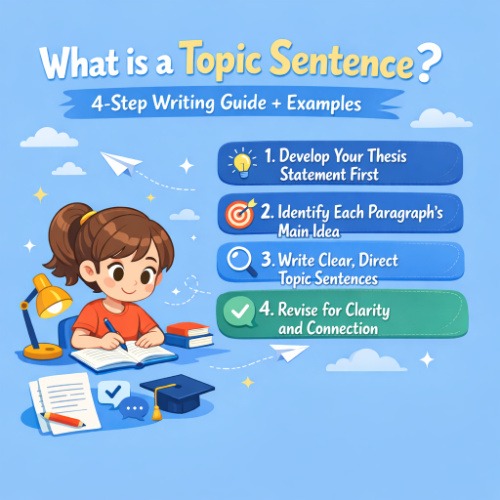
Develop strong topic sentences for each paragraph using our what is a topic sentence guide!
Common Mistakes When Choosing Art Topics
Avoid these frequent topic selection errors that undermine essay quality and make research unnecessarily difficult or frustrating.
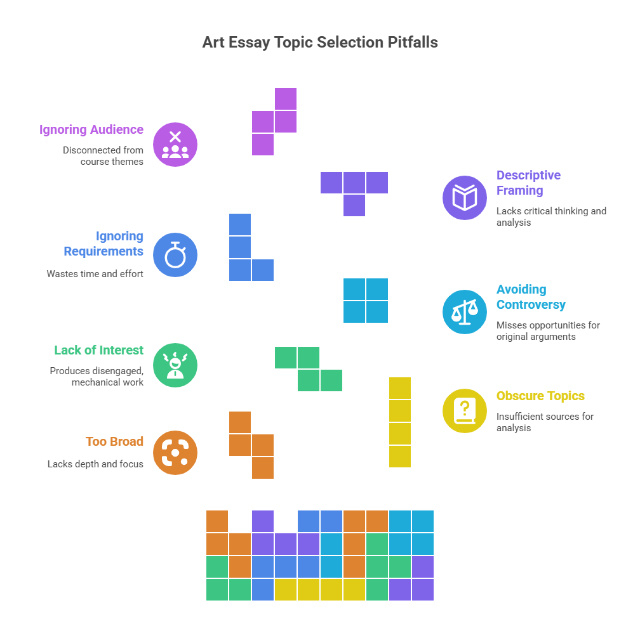
1. Choosing topics too broad. "Modern art" encompasses dozens of movements across a century. You cannot meaningfully analyze such breadth in standard essay formats. Narrow focus enables depth that demonstrates genuine understanding rather than superficial survey.
2. Selecting obscure topics without sources. Choosing an unknown artist or minor movement seems original but becomes problematic when insufficient scholarly sources exist to support analysis. Confirm source availability before committing to unconventional topics.
3. Picking topics you don't care about. Forcing yourself through essays about subjects that bore you produces mechanical work lacking the engagement that distinguishes excellent from adequate essays. Choose topics matching genuine curiosity even when they seem unconventional.
4. Avoiding controversial subjects entirely. Don't shy away from topics involving artistic debates, competing interpretations, or controversial artists. These subjects offer opportunities for original arguments distinguishing your work from generic summaries everyone writes.
5. Forgetting assignment requirements. Falling in love with topics that don't match assignment parameters wastes time and effort. Always confirm your chosen topic fits required length, source types, and analytical approach before beginning research.
6. Framing topics descriptively rather than analytically. "What techniques did Van Gogh use?" requests description. "How did Van Gogh's techniques convey psychological states?" demands analysis. Analytical framing produces stronger essays demonstrating critical thinking beyond factual reporting.
7. Ignoring your audience. Consider what your instructor values and what scholarly conversations your course engages. Topics completely disconnected from course themes or readings may seem creative but miss opportunities for demonstrating you've absorbed course material.
Need help organizing complex art analysis? Use our essay writing tips or essay writing guide for structuring sophisticated arguments!
Personal Development Art Topics
These topics explore art's role in individual growth, self-discovery, emotional processing, and personal wellbeing.
- How does art journaling support self-reflection and personal growth?
- What role does imagination play in manifesting personal goals through artistic expression?
- How do art techniques function as meditation and present-moment awareness cultivation?
- Can art-making reduce stress, promote relaxation, and enhance overall wellbeing?
- How does creating visual narratives help process personal stories and experiences?
- What benefits come from using different art mediums to communicate emotions?
- How does collage technique help visualize and clarify personal aspirations?
- Can artistic activities facilitate exploration of personal identity and beliefs?
- How does art-making help individuals cope with challenges and adversity?
- What role does experimentation play in discovering unique artistic voice?
- How does engagement with art support emotional intelligence development?
- Can visual art creation improve problem-solving abilities in other life areas?
- How does artistic practice build persistence and tolerance for frustration?
- What relationship exists between artistic creativity and overall life satisfaction?
- How can art-making rituals support daily mindfulness practices?
HAND IT OFF TO THE EXPERTS
Thousands of students trust us to deliver essays that get the grades they deserve.
- Zero plagiarism, 100% original
- PhD-level analytical thinking
- Delivered on time, every time
- Full confidentiality guaranteed
Join 50,000+ satisfied students.
Order Now

-20154.jpg)