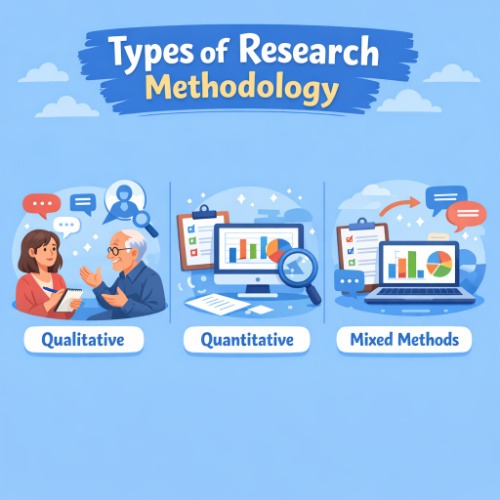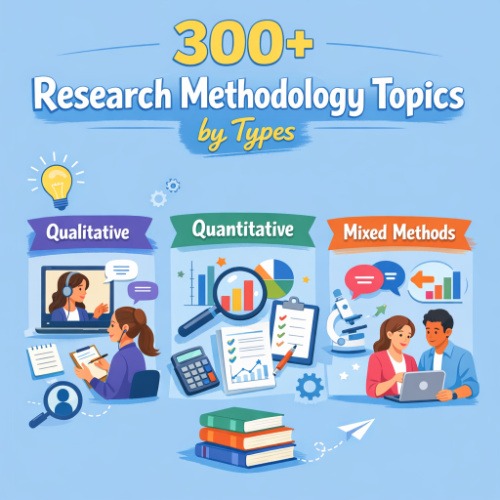
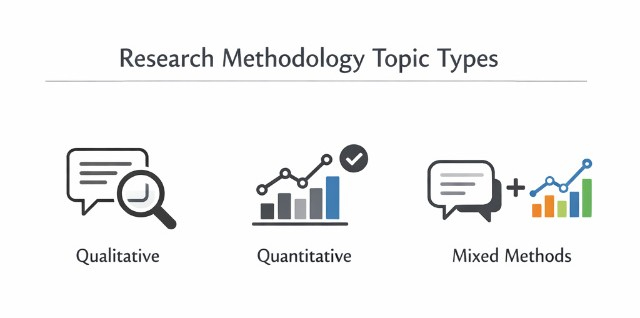
100+ QUALITATIVE RESEARCH METHODOLOGY TOPICS
1. Phenomenology Topics (Understanding Lived Experiences)
- The lived experience of first generation college students navigating university
- What it means to be a working mother during remote learning
- The experience of nurses providing end of life care during COVID 19
- How teachers experience burnout in urban schools
- The meaning of retirement for professional athletes
- Living with chronic pain: A phenomenological study
- The experience of transgender individuals in healthcare settings
- What it means to be an international student during a pandemic
- The lived experience of police officers after critical incidents
- How cancer survivors experience post treatment life transitions
- The experience of military veterans transitioning to civilian life
- What it means to be a stay at home father in modern society
- The experience of grief among young adults who lost parents
- How refugees experience cultural adaptation in new countries
- The meaning of success for entrepreneurs who failed multiple times
Struggling to Turn a Topic into a Research Study?
Choosing a research methodology topic is only the first step. Turning it into a clear research question, methodology, and structure is where most students get stuck.
- Topic refinement & narrowing
- Methodology selection (qualitative, quantitative, or mixed)
- Research ready questions & objectives
- Academic level guidance
Get Expert Help With Your Research Topic
Get Started Now2. Grounded Theory Topics (Developing Theory from Data)
- How do doctoral students persist through their programs?
- The process by which teachers develop classroom management expertise
- How small businesses adapt to digital transformation
- The process of identity formation in adopted children
- How nurses make ethical decisions in crisis situations
- The process by which students develop self regulated learning
- How startups pivot from failing business models
- The process of recovery from substance abuse
- How new teachers develop professional identity
- The process by which patients navigate chronic illness management
- How families make end of life care decisions
- The process of career change in mid life professionals
- How students develop critical thinking skills
- The process by which organizations implement cultural change
- How individuals develop resilience after trauma
Have a topic, but don't know what to do? Have a look at our research methodology guide.
3. Ethnography Topics (Understanding Culture and Social Patterns)
- The culture of a surgical team in a teaching hospital
- Social dynamics in online gaming communities
- Workplace culture in Silicon Valley startups
- The culture of competitive youth sports
- Social norms in prison rehabilitation programs
- Cultural practices in immigrant communities
- The culture of homelessness in urban areas
- Social dynamics in co working spaces
- Cultural norms in fraternity/sorority life
- The culture of social media influencer networks
- Workplace dynamics in remote first companies
- Cultural practices in religious communities
- The culture of political activism among youth
- Social norms in retirement communities
- Cultural dynamics in multicultural classrooms
4. Case Study Topics (Deep Dive into One Case)
- How did one school successfully implement restorative justice?
- Why did a successful startup fail after acquisition?
- How does a high performing nonprofit sustain impact?
- What made one teacher's classroom management approach successful?
- How did one hospital reduce patient readmission rates?
- Why did a community policing initiative succeed in one neighborhood?
- How did one family business survive three generations?
- What factors led to one student's academic turnaround?
- How does one city manage homelessness effectively?
- Why did one merger succeed when others failed?
- How did one rural school achieve high college enrollment?
- What made one diversity initiative successful?
- How does one addiction treatment program achieve high success rates?
- Why did one social media campaign go viral?
- How did one restaurant survive the pandemic?
5. Narrative Research Topics (Exploring Individual Stories)
- Life stories of undocumented students pursuing higher education
- Career narratives of women in STEM fields
- The story of recovery from eating disorders
- Narratives of resilience among abuse survivors
- Life stories of formerly incarcerated individuals reintegrating
- How teachers narrate their career journeys
- Stories of entrepreneurs who overcame poverty
- Narratives of identity among biracial individuals
- Life stories of caregivers for Alzheimer's patients
- How athletes narrate career ending injuries
- Stories of religious conversion experiences
- Narratives of coming out experiences in LGBTQ+ individuals
- Life stories of war veterans
- How artists narrate their creative processes
- Stories of overcoming learning disabilities
6. General Qualitative Topics (Various Approaches)
Education:
- Why do students drop out of community college?
- How do teachers experience standardized testing pressure?
- What factors influence parents' school choice decisions?
- How do students with disabilities experience inclusion?
- What are the barriers to adult education participation?
Healthcare:
- How do patients make decisions about alternative medicine?
- What are the experiences of medical students during residency?
- How do families cope with Alzheimer's diagnosis?
- What factors influence patient adherence to medication? 85. How do healthcare workers experience moral distress?
Business/Organizations:
- Why do employees resist organizational change?
- How do managers handle remote team dynamics?
- What motivates employees in nonprofit organizations?
- How do entrepreneurs handle failure?
- What are the challenges of women in leadership?
Social Issues:
- How do homeless individuals perceive available services?
- What are the experiences of domestic violence survivors?
- How do ex offenders experience reentry barriers?
- What factors influence voting behavior among youth?
- How do immigrants experience language barriers?
Technology:
- How do older adults experience technology adoption?
- What are privacy concerns among social media users?
- How do teenagers experience cyberbullying?
- What influences people's trust in AI systems?
- How do people navigate information overload online?
Mental Health:
- What are the experiences of therapy clients?
- How do individuals cope with anxiety disorders?
- What factors influence stigma around mental health?
- How do college students experience depression?
- What are the barriers to seeking mental health treatment?
Family/Relationships:
- How do couples navigate infertility challenges?
- What are the experiences of single parents by choice?
- How do families adapt to having a special needs child?
- What influences co parenting relationships after divorce?
- How do adult children care for aging parents?
Find out more on qualitative research with our qualitative research guide.
QUANTITATIVE RESEARCH METHODOLOGY TOPICS (100+)
1. Correlational Studies (Examining Relationships)
- Is there a relationship between social media use and academic performance?
- Does sleep duration correlate with GPA among college students?
- Is there a relationship between exercise frequency and mental health?
- Does parental involvement correlate with student achievement?
- Is there a relationship between work life balance and job satisfaction?
- Does screen time correlate with childhood obesity rates?
- Is there a relationship between mindfulness practice and stress levels?
- Does teacher experience correlate with student test scores?
- Is there a relationship between income inequality and crime rates?
- Does employee engagement correlate with productivity?
- Is there a relationship between class size and learning outcomes?
- Does financial literacy correlate with savings behavior?
- Is there a relationship between diet quality and energy levels?
- Does organizational culture correlate with employee turnover?
- Is there a relationship between study hours and exam performance?
2. Experimental Studies (Testing Causation)
- Does retrieval practice improve long term retention compared to rereading?
- Does background music affect reading comprehension?
- Does exercise improve cognitive performance in older adults?
- Does gamification increase student engagement?
- Does flexible seating improve classroom behavior?
- Does mindfulness training reduce anxiety levels?
- Does spaced practice improve test performance?
- Does peer feedback improve writing quality?
- Does sleep education improve sleep habits?
- Does financial incentives increase survey response rates?
- Does color coding improve memory retention?
- Does collaborative learning improve problem solving skills?
- Does time pressure affect decision making quality?
- Does goal setting improve academic performance?
- Does positive feedback increase motivation?
3. Quasi Experimental Studies (Natural Comparison Groups)
- Does flipped classroom instruction improve exam scores compared to lecture?
- Does a mentorship program increase retention rates?
- Does a new curriculum improve student outcomes?
- Does a wellness program reduce employee sick days?
- Does a literacy intervention improve reading scores?
- Does after school tutoring increase GPA?
- Does a parenting program reduce behavioral problems?
- Does community policing reduce crime rates?
- Does a financial education course improve credit scores?
- Does a smoking cessation program increase quit rates?
- Does job training improve employment outcomes?
- Does nutrition education improve eating habits?
- Does peer mentoring improve first year college success?
- Does a time management workshop improve productivity?
- Does early intervention improve outcomes for at risk students?
4. Survey Research Topics (Describing Populations)
Education:
- What are the technology usage patterns among K 12 teachers?
- What factors predict student satisfaction with online learning?
- What are the career aspirations of high school students?
- What predicts college readiness among graduating seniors?
- What are attitudes toward standardized testing among educators?
Healthcare:
- What are patient satisfaction levels with telehealth services?
- What factors predict medication adherence among diabetics?
- What are healthcare workers' attitudes toward vaccination mandates?
- What predicts burnout among nurses?
- What are patient preferences for pain management options?
Workplace:
- What factors predict employee turnover intentions?
- What are workplace stress levels across different industries?
- What predicts job satisfaction among remote workers?
- What are attitudes toward diversity initiatives among managers?
- What factors influence work life balance satisfaction?
Social Issues:
- What are voting patterns among different demographic groups?
- What predicts trust in government institutions?
- What are public attitudes toward criminal justice reform?
- What factors influence charitable giving behavior?
- What are attitudes toward climate change across generations?
Consumer Behavior:
- What factors predict brand loyalty among millennials?
- What influences purchase decisions for sustainable products?
- What are attitudes toward subscription based services?
- What predicts impulse buying behavior?
- What factors influence adoption of new technology?
5. Comparative Studies (Comparing Groups)
- Do male and female students differ in STEM interest?
- Do online and in person students differ in satisfaction?
- Do traditional and non traditional students differ in GPA?
- Do public and private school students differ in test scores?
- Do urban and rural residents differ in health outcomes?
- Do single and married employees differ in job commitment?
- Do morning and evening people differ in productivity?
- Do introverts and extroverts differ in leadership style?
- Do younger and older workers differ in technology adoption?
- Do different majors differ in stress levels?
6. Longitudinal Studies (Change Over Time)
- How do student stress levels change across the semester?
- How does physical activity change from adolescence to adulthood?
- How do political attitudes change across college years?
- How does job satisfaction change over the first five years of career?
- How do parenting practices change as children age?
- How does mental health change during graduate school?
- How do technology skills develop in teacher education programs?
- How does relationship satisfaction change in early marriage?
- How do retirement plans change as workers approach retirement age?
- How do learning strategies evolve throughout college?
7. Predictive Studies (Regression Analysis)
- What factors predict college graduation rates?
- What predicts employee performance in the first year?
- What factors predict patient readmission rates?
- What predicts startup success in the first three years?
- What factors predict student loan default?
- What predicts customer churn in subscription services?
- What factors predict recidivism among former inmates?
- What predicts weight loss success in diet programs?
- What factors predict medication adherence?
- What predicts long term career satisfaction?
8. Additional Quantitative Topics
Mental Health & Well being:
- Does personality type predict coping strategies?
- Is there a relationship between gratitude practice and happiness?
- Does social support predict resilience?
- Is there a gender difference in depression rates among college students?
- Does self efficacy predict academic achievement?
Technology & Media:
- What predicts problematic smartphone use?
- Is there a relationship between video game use and aggression?
- Does digital literacy predict online safety behaviors?
- What factors influence social media addiction?
- Is there a relationship between news consumption and political polarization?
Health Behaviors:
- What predicts adherence to exercise programs?
- Is there a relationship between health literacy and health outcomes?
- Does stress predict unhealthy eating behaviors?
- What factors predict vaccination acceptance?
- Is there a relationship between sleep quality and physical health?
More information on quantitative research is available in our quantitative research guide.
MIXED METHODS RESEARCH METHODOLOGY TOPICS (100+)
1. Explanatory Sequential Design (Quantitative/Qualitative)
Survey/experiment first, then interviews to explain results
Teacher Burnout Study
- Quant: Survey 500 teachers on burnout levels
- Qual: Interview 20 high burnout teachers to understand why
Student Success Program Evaluation
- Quant: Measure program impact on GPA and retention
- Qual: Interview successful participants about what helped
Healthcare Patient Satisfaction
- Quant: Survey 1,000 patients on satisfaction scores
- Qual: Interview low satisfaction patients to understand problems
Technology Adoption in Schools
- Quant: Survey teachers on technology use frequency
- Qual: Interview low adoption teachers about barriers
Workplace Diversity Initiatives
- Quant: Measure diversity and inclusion metrics
- Qual: Interview employees to understand perceived effectiveness
College Student Mental Health
- Quant: Survey 600 students on anxiety/depression levels
- Qual: Interview high risk students about contributing factors
Customer Satisfaction Analysis
- Quant: Analyze satisfaction scores across demographics
- Qual: Interview dissatisfied customers about specific complaints
Employee Turnover Study
- Quant: Analyze turnover rates and exit survey data
- Qual: Interview recent departures about actual reasons for leaving
Online Learning Effectiveness
- Quant: Compare test scores between online and in person students
- Qual: Interview lower performing online students about challenges
Medication Adherence Research
- Quant: Measure adherence rates among chronic disease patients
- Qual: Interview non adherent patients to understand barriers
Social Media Impact Study
- Quant: Correlate social media use with well being scores
- Qual: Interview heavy users with low well being about experiences
Parenting Program Evaluation
- Quant: Measure child behavior changes pre/post program
- Qual: Interview parents about what worked and what didn't
Financial Literacy Intervention
- Quant: Measure knowledge and behavior change
- Qual: Interview participants about barriers to applying knowledge
Undergraduate Research Experience
- Quant: Survey graduates on career outcomes
- Qual: Interview those in research careers about formative experiences
Community Policing Impact
- Quant: Analyze crime statistics and community trust surveys
- Qual: Interview community members about their perceptions
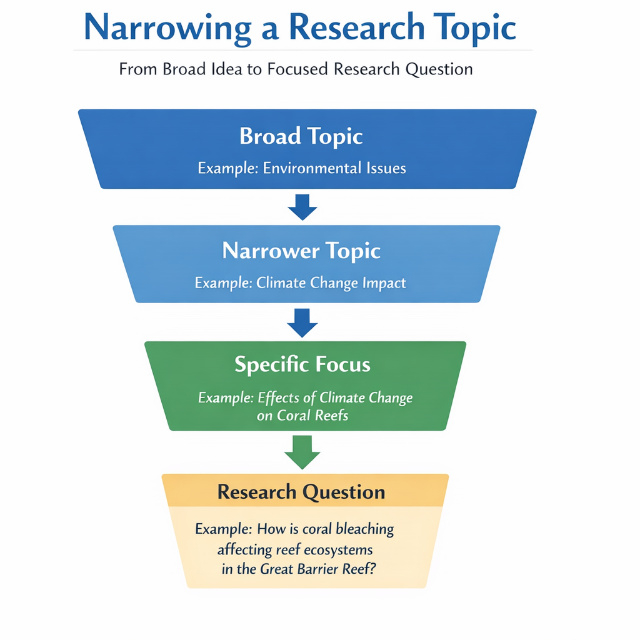
Need Help Developing Your Research Methodology Topic?
Whether you’re working on a thesis, dissertation, or final-year project, our experts help you select, refine, and justify the right research methodology topic.
- Supervisor approved topics
- Clear methodological alignment
- Ethical & feasible research ideas
- On time academic support
Get Your Research Topic Developed
Get Started Now2. Exploratory Sequential Design (Qualitative/Quantitative)
Interviews first to explore, then survey to test/generalize
Student Procrastination Study
- Qual: Interview 20 students about why they procrastinate
- Quant: Develop survey based on themes, test with 500 students
Career Change Factors
- Qual: Interview 30 mid career changers about decision factors
- Quant: Survey 400 workers to measure prevalence of identified factors
Remote Work Challenges
- Qual: Interview 25 remote workers about challenges
- Quant: Create scale to measure challenges, survey 600 workers
First Generation Student Barriers
- Qual: Interview 20 first gen students about obstacles
- Quant: Survey 300 students to quantify barrier frequency
Patient Treatment Preferences
- Qual: Interview 30 patients about treatment decision making
- Quant: Develop preference scale, survey 500 patients
Entrepreneur Success Factors
- Qual: Interview 25 successful entrepreneurs about key factors
- Quant: Survey 300 entrepreneurs to test factor importance
Teacher Retention Factors
- Qual: Interview 20 long term teachers about why they stayed
- Quant: Develop retention survey, test with 400 teachers
Effective Study Strategies
- Qual: Interview high achieving students about strategies
- Quant: Survey 500 students on strategy use and effectiveness
Workplace Motivation
- Qual: Interview employees about what motivates them
- Quant: Develop motivation scale, survey across industries
Patient Safety Culture
- Qual: Interview nurses about safety concerns
- Quant: Create safety culture survey, administer hospital wide
Social Media Influence
- Qual: Interview teens about how social media affects them
- Quant: Develop impact scale, survey 600 teenagers
Organizational Change Resistance
- Qual: Interview employees about change concerns
- Quant: Create resistance scale, survey organization
College Choice Factors
- Qual: Interview 30 high school seniors about college selection
- Quant: Survey 500 seniors to rank factor importance
Effective Leadership Practices
- Qual: Interview high performing team leaders
- Quant: Develop leadership practice inventory, test with managers
Mental Health Stigma
- Qual: Interview 25 individuals about stigma experiences
- Quant: Create stigma scale, survey 500 people
3. Convergent Design (Both Simultaneously)
Collect qualitative and quantitative data at same time, compare findings
School Climate Study
- Quant: Survey students on school climate scales
- Qual: Conduct focus groups with students simultaneously
- Compare: Do themes match survey patterns?
Healthcare Quality Assessment
- Quant: Measure patient outcomes and satisfaction scores
- Qual: Interview patients about care experiences
- Integrate: Create comprehensive quality picture
Program Implementation Fidelity
- Quant: Observe and rate implementation adherence
- Qual: Interview implementers about challenges
- Compare: Why do scores vary?
Student Engagement Research
- Quant: Track engagement metrics (attendance, participation)
- Qual: Interview students about engagement factors
- Triangulate: Validate and deepen findings
Workplace Culture Assessment
- Quant: Survey employees on culture dimensions
- Qual: Conduct observations and interviews
- Integrate: Complete cultural portrait
Community Needs Assessment
- Quant: Survey residents on service needs and priorities
- Qual: Hold community focus groups
- Synthesize: Identify priorities with context
Curriculum Evaluation
- Quant: Measure student learning outcomes
- Qual: Interview teachers and students about experiences
- Compare: What explains outcome patterns?
Technology Usability Study
- Quant: Measure task completion times and error rates
- Qual: Conduct think aloud protocols during use
- Integrate: Understand usability comprehensively
Environmental Behavior Research
- Quant: Observe and count recycling behaviors
- Qual: Interview people about motivations
- Compare: Do stated reasons match behaviors?
Patient Experience Research
- Quant: Analyze patient satisfaction scores
- Qual: Conduct patient interviews about experiences
- Triangulate: Validate and explain scores
Teacher Professional Development
- Quant: Measure knowledge gains pre/post training
- Qual: Interview teachers about applicability
- Integrate: Assess impact comprehensively
Youth Risk Behavior Study
- Quant: Survey youth on risk behaviors
- Qual: Interview youth about decision making
- Compare: What factors emerge from both?
Organizational Performance
- Quant: Analyze performance metrics
- Qual: Interview leaders about strategies
- Integrate: Identify success factors
Learning Disability Support
- Quant: Measure accommodation usage and outcomes
- Qual: Interview students about support effectiveness
- Triangulate: Complete support assessment
Food Insecurity Research
- Quant: Survey households on food security status
- Qual: Interview food insecure families about experiences
- Integrate: Understand scope and lived reality
4. Intervention Studies (Mixed Methods)
Mindfulness Program Evaluation
- Quant: Pre/post stress and well being measures
- Qual: Participant interviews about program impact
- Mixed: Understand effectiveness and mechanisms
Reading Intervention Study
- Quant: Measure reading skill changes
- Qual: Interview teachers about implementation
- Mixed: Assess outcomes and feasibility
Weight Loss Program
- Quant: Track weight, BMI, health markers
- Qual: Interview participants about barriers and facilitators
- Mixed: Understand what works, why, and for whom
Anti Bullying Initiative
- Quant: Survey students on bullying prevalence
- Qual: Focus groups with students and teachers
- Mixed: Evaluate impact and perceptions
Financial Coaching Program
- Quant: Track savings, debt, credit scores
- Qual: Interview participants about behavior changes
- Mixed: Assess financial and psychological impacts
Peer Mentoring Program
- Quant: Compare mentored vs non mentored student outcomes
- Qual: Interview mentors and mentees about experiences
- Mixed: Determine effectiveness and improve program
Diabetes Management Intervention
- Quant: Measure A1C levels and self care behaviors
- Qual: Interview patients about program usefulness
- Mixed: Understand clinical and patient reported outcomes
STEM Education Initiative
- Quant: Compare test scores and course enrollment
- Qual: Interview students about interest development
- Mixed: Assess cognitive and affective outcomes
Workplace Safety Training
- Quant: Track accident rates and safety compliance
- Qual: Interview workers about safety culture changes
- Mixed: Evaluate behavioral and cultural impact
Smoking Cessation Program
- Quant: Measure quit rates and relapse
- Qual: Interview participants about challenges
- Mixed: Identify success factors and barriers
5. Evaluation Research (Mixed Methods)
After School Program Evaluation
- Quant: Measure academic and behavioral outcomes
- Qual: Interview students, parents, staff about value
- Mixed: Comprehensive program assessment
Nonprofit Organization Evaluation
- Quant: Analyze service delivery data and outcomes
- Qual: Interview clients and stakeholders
- Mixed: Assess effectiveness and impact
Hospital Quality Improvement
- Quant: Track quality metrics and patient outcomes
- Qual: Interview staff about change process
- Mixed: Evaluate outcomes and implementation
University Retention Initiative
- Quant: Compare retention rates pre/post initiative
- Qual: Interview at risk students who stayed/left
- Mixed: Understand impact and mechanisms
Community Health Program
- Quant: Measure health behavior and outcome changes
- Qual: Interview participants and community members
- Mixed: Assess reach, effectiveness, and acceptability
Professional Development Evaluation
- Quant: Survey participants on knowledge and skills
- Qual: Interview participants about application
- Mixed: Evaluate learning and transfer
Housing First Initiative
- Quant: Track housing stability and service use
- Qual: Interview participants about life changes
- Mixed: Assess program impact holistically
Youth Mentoring Program
- Quant: Measure academic and social outcomes
- Qual: Interview mentors and youth about relationships
- Mixed: Understand outcomes and relationship quality
Arts Education Program
- Quant: Measure creativity and academic performance
- Qual: Interview students about experiences
- Mixed: Assess cognitive and affective impacts
Restorative Justice Program
- Quant: Track discipline referrals and suspensions
- Qual: Interview participants about process
- Mixed: Evaluate behavioral and relational outcomes
6. Additional Mixed Methods Topics
Education:
- Why do students choose STEM majors? (Qual/Quant)
- How effective is project based learning? (Quant?]/Qual)
- What improves student writing? (Both)
- Why do students withdraw from courses? (Quant/Qual)
- How does feedback affect learning? (Both)
Healthcare:
- What influences cancer screening decisions? (Qual/Quant)
- How do patients experience chronic pain? (Both)
- Why do patients miss appointments? (Quant/Qual)
- What improves medication adherence? (Both)
- How do nurses experience moral distress? (Both)
Workplace:
- What factors predict employee innovation? (Qual/Quant)
- How do remote teams build trust? (Both)
- Why do diversity initiatives fail? (Quant/Qual)
- What improves employee engagement? (Both)
- How do workers experience burnout? (Both)
Social Issues:
- Why do people become homeless? (Qual/Quant)
- How effective are reentry programs? (Both)
- What predicts recidivism? (Qual/Quant)
- How do immigrants navigate systems? (Both)
- What influences voting behavior? (Both)
Technology:
- Why do people resist new technology? (Quant/Qual)
- How do users experience privacy concerns? (Both)
- What predicts technology adoption? (Qual/Quant)
- How does AI affect work? (Both)
- What influences social media behavior? (Both)
Community Development:
- How effective are community gardens? (Both)
- What builds social capital? (Qual/Quant)
- How do neighborhoods change? (Both)
- What influences civic participation? (Qual/Quant)
- How do communities respond to crisis? (Both)
Consumer Behavior:
- Why do customers switch brands? (Quant/Qual)
- What influences purchase decisions? (Both)
- How do consumers experience loyalty programs? (Both)
- What predicts product adoption? (Qual/Quant)
- How do people make financial decisions? (Both)
Environmental Studies:
- What influences pro environmental behavior? (Qual/Quant)
- How do communities experience climate change? (Both)
- Why do people conserve water? (Quant/Qual)
- What promotes sustainable practices? (Both)
- How do policies affect behavior? (Both)
Family & Relationships:
- How do couples navigate conflict? (Both)
- What predicts relationship satisfaction? (Qual/Quant)
- How do families adapt to change? (Both)
- What influences parenting practices? (Both)
- How do siblings experience rivalry? (Both)
Struggling to turn a research methodology topic into a complete paper? Our trusted essay writing service supports you from topic selection to methodology design, helping ensure your research stays focused, method appropriate, and academically sound from start to finish.
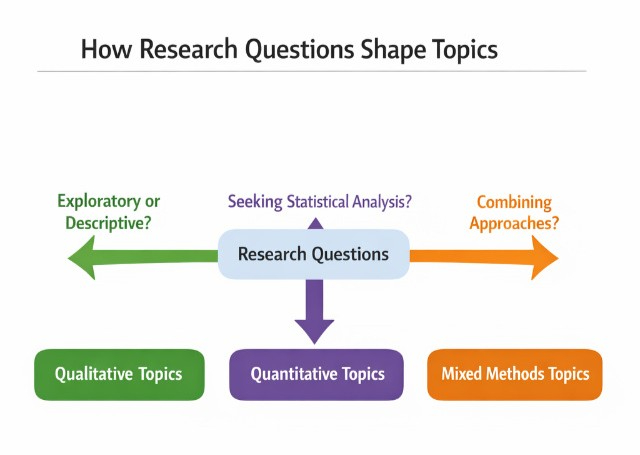
HOW TO USE THIS LIST
For Qualitative Topics:
- Choose topics that explore "how," "why," or "what is the experience"
- Best for understanding meanings, processes, and lived experiences
- Sample size: 5 60 participants depending on approach
For Quantitative Topics:
- Choose topics that ask "how many," "to what extent," or "is there a relationship"
- Best for measuring, comparing, predicting
- Sample size: 100+ participants for adequate statistical power
For Mixed Methods Topics:
- Choose when you need both numbers and narratives
- Best for complex questions requiring comprehensive understanding
- Sample size: Depends on design (see individual topic descriptions)
From Research Topic to Final Submission, We’ve Got You
Already picked a topic from this list? Let our experts handle the hard part: research design, methodology, analysis, and writing.
- 100% original academic work
- Qualitative, quantitative & mixed methods
- Unlimited revisions
- Deadline guaranteed
Start Your Research Project Today
Get Started NowBottom Line
Choosing the right topic is the foundation of a successful study. Whether you’re working with qualitative, quantitative, or mixed methods research, a well matched and focused topic makes the entire research process clearer, stronger, and easier to manage. Use this list to find a topic that fits your research goals, resources, and academic level. Have a look at our research methodology guide for more information and you’ll be set up for success from the start.