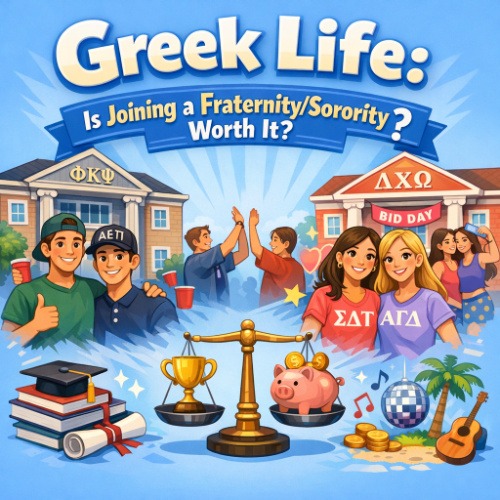
What Are the Real Benefits of Greek Life?
Real benefits include built-in social community providing instant friend group and sense of belonging (87% of members cite as primary benefit), structured leadership opportunities through elected positions and committee work, extensive alumni networking across industries and geographic locations facilitating job placement, organized philanthropy and community service developing civic engagement, academic support through chapter study hours and upperclassman mentoring, and lifelong friendships with shared identity and post-graduation connections.
Social Community and Belonging
Immediate social network:
- Instant friend group upon joining (50-200 members typically)
- Structured social events and activities
- Housing options living with members
- Sense of identity and campus belonging
- Support system during difficult times
- Built-in weekend plans and social calendar
87% of Greek members cite social community as primary benefit, particularly valuable for students who:
- Attend large universities feeling overwhelming
- Transfer or start college knowing few people
- Want structured rather than organic social opportunities
- Value tradition and ritual creating shared identity
- Seek ready-made social circle versus building from scratch
Important considerations:
|
Leadership Development
Formal leadership positions:
- Chapter president, vice president, treasurer
- Social chair, philanthropy chair, recruitment chair
- Committee leadership opportunities
- Event planning and management experience
- Budget management and financial responsibility
- Conflict resolution and member management
Leadership development benefits:
- Resume-building positions demonstrating responsibility
- Real-world management experience
- Public speaking and presentation skills
- Organizational and planning abilities
- Teamwork and delegation practice
- Crisis management experience
Research shows Greek members:
- Hold 85% of Supreme Court justices' positions historically
- Comprise 76% of U.S. senators and congressmen
- Include 85% of Fortune 500 executives
Note: These statistics reflect selection bias (leaders join Greek life) rather than causation (Greek life creates leaders).
Alumni Networking
Professional connections:
- National alumni network across industries
- Alumni willing to help undergraduate members
- Job referrals and internship opportunities
- Mentorship from established professionals
- Geographic connections when relocating
- Instant credibility with Greek alumni employers
Networking reality check:
- Alumni networks exist but require initiative
- Not automatic job placement (must leverage effectively)
- Strongest benefits in certain industries (finance, sales, consulting)
- Less relevant in some fields (academia, arts, tech startups)
- Independent students build networks through internships, clubs, professors
Employment statistics:
- 73% of Greek members employed within 6 months post-graduation
- 63% of non-Greek members employed within 6 months
- 10-point gap partially reflects socioeconomic factors, not Greek membership alone
- Starting salaries average $8,000 higher for Greek members
- Again reflects demographics (wealthier students join Greek life)
Philanthropy and Service
Structured giving:
- Each chapter partners with national philanthropies
- Organized fundraising events and campaigns
- Required service hours (typically 10-20 annually)
- Leadership opportunities in service projects
- Resume-building volunteer experience
- Community impact and social responsibility
Common philanthropies:
- St. Jude Children's Research Hospital
- Alzheimer's Association
- Ronald McDonald House Charities
- Feeding America
- Breast Cancer Research Foundation
- Various local causes and charities
Independent students absolutely can volunteer, but Greek life provides structure, accountability, and collective impact, making participation easier.
What Are the Real Costs and Drawbacks?
Real costs include monetary expenses averaging $1,000-$5,000 annually for dues, fees, and social expenses, significant time commitments of 10-20 hours weekly for meetings, events, and obligations, academic impacts with Greek GPAs averaging 0.2 points lower than non-Greek students initially, hazing concerns affecting 55% of organizations despite prohibitions, social pressure toward excessive alcohol consumption and partying, and potential for toxic culture including exclusivity, conformity pressure, and shallow relationships prioritizing image over substance.
Financial Investment
Annual costs breakdown:
National and chapter dues:
- Sorority dues: $1,500-$4,000 annually ($400-$1,000 per semester)
- Fraternity dues: $800-$2,500 annually ($200-$650 per semester)
- New member fees: Additional $300-$1,000 first semester
- Building fees or house dues if applicable
Additional expenses:
- Greek apparel and merchandise: $300-$500 annually
- Formal events and date functions: $100-$300 per event
- Gifts for "big/little" or family: $50-$200
- Philanthropy contributions: $50-$100
- Social event costs and mixers: $200-$400
- Travel to regional or national events: $200-$500 if attending
Total first-year costs: $2,500-$6,000 Ongoing annual costs: $1,500-$5,000 |
Hidden costs students don't expect:
- Constant social spending (going out, informal events)
- Pressure to buy newest merchandise or trends
- Fines for missing mandatory events
- Unexpected fundraising requirements
- Formal attire for multiple events annually
Financial considerations:
|
Time Commitment Reality
Required activities (10-15 hours weekly minimum):
- Weekly chapter meetings: 2-3 hours
- Committee meetings: 1-2 hours
- Study hours (mandatory for many chapters): 2-4 hours
- Philanthropy events and service: 2-3 hours
- Social events and mixers: 2-4 hours
- Leadership positions: 5-10 additional hours
New member period time (20-30 hours weekly):
- New member meetings and education
- Bonding activities with pledge class
- Learning chapter history, songs, rituals
- Meeting all current members
- Service and fundraising requirements
- Studying for new member exams
Time management challenges:
- Mandatory attendance at most events (fines for absences)
- Weekend obligations limiting study time
- Social pressure to attend optional events
- Leadership positions demanding significant hours
- Balancing Greek life with academics, work, and other activities
- Difficult to study abroad or participate in other time-intensive opportunities
68% of Greek members report time commitment exceeded expectations, particularly during first year of membership when novelty and social pressure create overcommitment.
Academic Impact
GPA statistics:
- Greek members: 3.01 average GPA (first year)
- Non-Greek students: 3.21 average GPA
- 0.2-point gap attributed to time commitment and social distractions
- Gap narrows to 0.1 points by junior/senior year as time management improves
- Some high-achieving chapters maintain higher-than-campus-average GPAs
Academic challenges:
- Time spent on Greek activities reduces study time
- Social distractions during peak study periods
- Alcohol consumption affecting class attendance and focus
- Mandatory events conflicting with study time
- Peer pressure prioritizing social over academic
- Missing class due to late-night events or hangovers
Academic benefits (when chapter prioritizes academics):
- Mandatory study hours ensuring baseline
- Academic achievement awards and recognition
- Upperclassman tutoring and mentoring
- Study groups with members in same courses
- Accountability to chapter GPA requirements
- Test banks and course materials (ethical concerns about this)
Hazing and Safety Concerns
Hazing statistics and reality:
- 55% of Greek organization members report experiencing hazing
- Hazing ranges from mild embarrassment to dangerous physical harm
- Deaths occur annually from hazing-related activities
- Most universities strictly prohibit hazing (violations lead to suspension)
- New members may feel pressure to endure without reporting
Common hazing activities:
- Sleep deprivation and exhaustion
- Excessive alcohol consumption
- Physical discomfort or pain
- Humiliation and degradation
- Isolation from friends and family
- Financial exploitation
- Sexual coercion or pressure
Red flags during recruitment:
- Vague answers about new member process
- Excessive secrecy about activities
- Current members seem exhausted or stressed
- Stories about "hard" new member period
- Dismissive attitude toward hazing concerns
- Pressure to commit without full information
What to do if hazing occurs:
- Report to university Greek life office immediately
- Contact national organization headquarters
- Document incidents with dates, witnesses, descriptions
- Seek support from campus resources
- Understand you're protected from retaliation
- De-pledging is always an option, your safety matters more
Social Pressure and Culture
Alcohol and party culture:
- Heavy drinking normalized in many chapters
- Pressure to attend parties and mixers
- Risk of dangerous drinking situations
- Sexual assault risks increase in party environments
- Impact on academic performance and health
- Conflict for students who don't drink
Conformity and exclusivity:
- Pressure to look, dress, act certain ways
- Exclusionary attitudes toward non-Greeks
- Superficial friendships based on affiliation
- Cliquishness within larger campus community
- Limited diversity in some Greek systems
- Emphasis on image over substance
Positive culture examples:
- Chapters prioritizing academics and leadership
- Supportive, inclusive environments
- Minimal alcohol pressure
- Genuine friendships and personal growth
- Service-oriented focus
- Professional development emphasis
| Culture varies dramatically by chapter; toxic chapters create miserable experiences while healthy chapters provide supportive communities and positive development. |
How Do You Evaluate Whether a Specific Chapter Is Right for You?
Evaluate chapters by attending multiple recruitment events observing genuine member interactions not scripted presentations, asking specific questions about time commitments, costs, academic expectations, and new member processes, talking to current members honestly about their experiences, checking chapter's disciplinary history with university Greek life office, reviewing academic performance statistics and GPA requirements, assessing cultural fit through values alignment not superficial popularity, and trusting instincts if something feels uncomfortable or inconsistent.
Questions to Ask During Recruitment
About time commitment:
- "How many hours weekly do members typically spend on chapter activities?"
- "What percentage of events are mandatory versus optional?"
- "What are the consequences for missing mandatory events?"
- "How do members balance academics with Greek life?"
- "Can you share your typical weekly schedule including Greek commitments?"
About finances:
- "What are exact dues amounts per semester?"
- "What additional costs should I expect beyond dues?"
- "Are payment plans available?"
- "What scholarships exist and how do I apply?"
- "What percentage of the budget goes to social versus service?"
About new member process:
- "What does the new member period involve specifically?"
- "How many hours weekly will I commit during this period?"
- "Are there any physical or mental challenges involved?" (listen for vague answers)
- "What happens if someone decides it's not the right fit during this period?"
- "Can I speak with recent new members about their experience?"
About academics:
- "What's the chapter's average GPA?"
- "What academic support exists for members?"
- "Are there study hours or tutoring programs?"
- "How does the chapter handle members on academic probation?"
About culture and values:
- "How would members describe the chapter culture?"
- "What makes your chapter different from others?"
- "What do you wish you'd known before joining?"
- "What percentage of members are involved in other campus activities?"
- "How does the chapter handle alcohol and party culture?"
Red Flags to Watch For
During recruitment:
- Evasive or vague answers to direct questions
- Pressure to commit immediately
- Excessive focus on partying and social life
- Dismissive attitude toward legitimate concerns
- Members who seem unhappy or stressed
- Lack of diversity in membership
- Gossiping about other chapters excessively
- Financial information hidden or unclear
Cultural warning signs:
- Emphasis on appearance and image over substance
- Cliquishness or mean girl/guy behavior
- Exclusionary attitudes toward outsiders
- Excessive secrecy about activities
- Members who seem to have no interests outside chapter
- Academic performance significantly below campus average
- Recent disciplinary actions or probation
Trust your instincts: If something feels wrong, uncomfortable, or inconsistent with your values, trust that feeling. No friendship or networking opportunity is worth compromising your safety, values, or wellbeing.
Alternatives to Greek Life
For social community:
- Join 2-3 campus clubs or organizations
- Living learning communities in residence halls
- Cultural, religious, or identity-based organizations
- Recreational or intramural sports teams
- Major-specific professional organizations
- Volunteer organizations and service groups
For leadership development:
- Student government positions
- Resident advisor roles
- Club or organization leadership
- Campus employment with leadership opportunities
- Volunteer organization board positions
For networking:
- Professional organizations in your field
- LinkedIn networking and alumni connections
- Internships and work experience
- Faculty relationships and mentorship
- Industry conferences and events
- Major-specific career clubs
For service:
- Volunteer organizations and nonprofits
- Alternative break programs
- Community engagement centers
- AmeriCorps or other service programs
- Independent volunteer work
Research shows: Students involved in 2-3 campus organizations report comparable social satisfaction, leadership development, and networking opportunities to Greek members, with significantly lower time and financial commitments and greater flexibility.
What Does the Recruitment and Joining Process Look Like?
The recruitment process includes formal recruitment weeks (typically at semester start) with multiple rounds of structured events where potential members visit chapters, mutual selection process where both students and chapters evaluate fit, bid day when chapters extend invitations to join, new member period of 6-12 weeks learning chapter traditions and bonding with pledge class, and initiation ceremony after completing requirements becoming full member with lifetime affiliation.
Recruitment Timeline and Process
Formal recruitment (sororities):
Round 1 - Open House (3-4 days):
- Visit all chapters (45-minute events)
- Casual conversations getting to know members
- Learn about each chapter's basics
- Narrow choices to 8-12 chapters
Round 2 - Philanthropy (2-3 days):
- Visit remaining chapters (60-minute events)
- Learn about service and values
- More substantive conversations
- Narrow to 5-7 chapters
Round 3 - Preference (1-2 days):
- Visit top 2-3 chapters (90-minute events)
- Ceremony-like formal events
- Serious discussions about membership
- Rank chapters in preference order
Bid Day:
- Receive bid (invitation) from one chapter
- Accept or decline bid
- If accepted, celebrate with new pledge class
- Begin new member process
Informal recruitment (fraternities typically):
- Less structured process throughout semester
- Attend rush events at various fraternities
- Get to know members through casual events
- Receive bids at different times
- More flexible and ongoing process
New Member Period
Duration: Typically 6-12 weeks
Activities and requirements:
- New member meetings (2-3 weekly)
- Learning chapter history, songs, values
- Bonding with pledge class
- Meeting all current members
- Service or fundraising requirements
- New member exams on chapter knowledge
- Big/little matching and reveal
- Initiation preparation
What to expect:
- Significant time commitment (15-25 hours weekly)
- Exciting bonding experiences with pledge class
- Some activities feel silly or uncomfortable
- Balance with academics is challenging
- Feelings of doubt or overwhelm are normal
- If truly miserable, de-pledging is always an option
De-pledging (dropping out before initiation):
- Allowed at most universities (not all funds refundable)
- No shame in recognizing poor fit
- Better to leave than endure a miserable experience
- Usually forfeit new member fees
- Can rush again at a different chapter later
After Initiation
Full membership includes:
- Lifetime affiliation with chapter and national organization
- Voting rights in chapter decisions
- Ability to hold leadership positions
- Access to national resources and alumni network
- Continued financial obligations (dues for all active years)
- Expectations for attendance and participation
Time commitment typically:
- 10-15 hours weekly for general members
- 15-25 hours for leadership positions
- More during specific events (formals, philanthropy weeks)
- Can decrease as priorities shift in later college years
Key Takeaways
Make informed decision about Greek life through these evidence-based insights:
- Benefits are real but not universal with Greek members reporting 73% higher post-graduation employment rates and $8,000 more in starting salaries, though statistics partially reflect socioeconomic factors not Greek membership alone. Social community (87% cite as primary benefit), leadership opportunities, and alumni networking provide genuine value when chapters prioritize professional development over partying.
- Costs are substantial averaging $1,500-$5,000 annually in dues and fees plus significant time commitments of 10-20 hours weekly, with 68% of members reporting commitments exceeded expectations. Greek GPAs average 0.2 points lower than non-Greek students initially due to time and social distractions, narrowing to 0.1 points by junior year.
- Hazing remains prevalent despite prohibitions affecting 55% of Greek organizations according to research, ranging from mild embarrassment to dangerous physical harm. Red flags include vague answers about new member processes, excessive secrecy, dismissive attitudes toward concerns, and pressure to commit without full information. Report hazing immediately to university offices and national organizations.
- Culture varies dramatically by chapter with healthy chapters providing supportive communities and positive development while toxic chapters create miserable experiences. Evaluate specific chapters through multiple recruitment events, honest conversations with current members, reviewing disciplinary history, and trusting instincts when something feels uncomfortable or inconsistent with values.
- Alternatives provide comparable benefits with students involved in 2-3 campus organizations reporting similar social satisfaction, leadership development, and networking opportunities to Greek members but with significantly lower time and financial commitments and greater flexibility. Greek life is optional not essential, 85-90% of college students succeed without Greek affiliation.
The decision depends on personal priorities, financial capacity, and specific chapter culture. Greek life provides structure and community but isn't the only path to friendship, leadership, or professional success. Research your options thoroughly, attend recruitment with open mind and critical eye, and choose based on genuine fit not social pressure or FOMO.
When managing Greek life demands alongside academic responsibilities during recruitment, pledging, or active membership, consider using a trusted essay writing service for routine coursework, allowing time and mental energy for meaningful Greek engagement, networking opportunities, and leadership development without sacrificing grades during particularly demanding Greek periods like recruitment weeks or major chapter events.