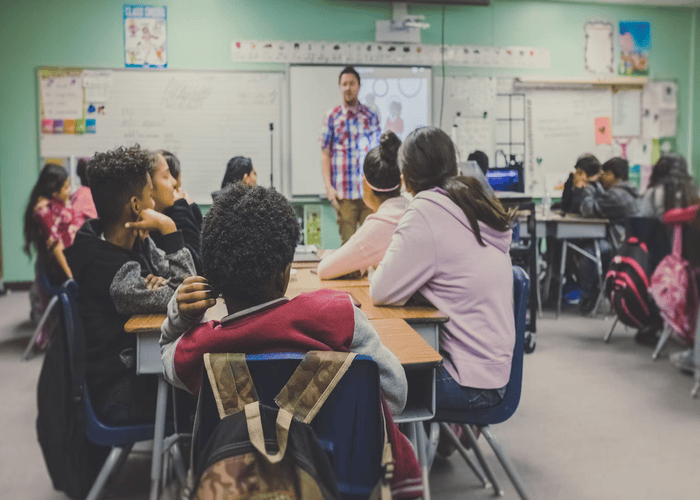
Connect Community Service With Classroom Learning
Community engagement becomes more meaningful when students can apply classroom knowledge to real-world needs.
Cal State Fullerton’s TESOL program offers a useful example. Through Project SHINE, students support free English classes for adult learners while gaining practical teaching experience. They work with individuals and small groups, answer questions, and review coursework, giving them a chance to practice skills connected to their studies.
Schools can apply the same approach across subjects. Environmental science students could support conservation projects, while business students could assist local nonprofits with marketing or fundraising.
The goal is to make volunteering an extension of classroom learning. When students understand how their skills can address real community needs, service becomes more than a requirement. It becomes practical learning with a clear purpose.
Let Students Engage With Real Community Needs
Schools should avoid designing community projects based entirely on what sounds interesting to students. The strongest programs begin by understanding what local communities actually need.
That could mean partnering with food banks, nonprofit organizations, senior centers, environmental groups, libraries, or youth organizations. Students can then contribute to projects that already have a clear purpose and established community relationships.
Community engagement is not about “helping” people from a distance. It is about listening, collaborating, and contributing where support is genuinely useful.
Schools can ask community partners questions such as:
- What challenges are you currently facing?
- What support would actually be useful?
- What can students realistically contribute?
- How can students participate without disrupting existing work?
These conversations can help schools build projects that are more useful for both students and community organizations.
Use Gamification to Make Community Engagement More Effective
Young people may not always connect with traditional forms of community education. Gamification can make these experiences more interactive and memorable.
A recent example comes from St. Paul, Minnesota. A Macalester College student helped create Enter the Rondo-Verse, an interactive game about the historic Rondo neighborhood. The project was developed with the Hallie Q. Brown Community Center and local elders. Players can explore Rondo’s history while learning from stories shared by community members.
Schools and community organizations can use similar ideas for local history, environmental projects, fundraising, or civic education. Interactive games can turn community learning into something students actively participate in.
When these activities move online, however, safety should remain part of the conversation. Schools need to consider how platforms protect young users before introducing students to online gaming spaces.
The lawsuit against Roblox highlights why this matters. The case alleges that the platform failed to adequately protect children from predators and grooming.
Such lawsuits have raised concerns about Roblox’s safety measures and platform design, TorHoerman Law notes. Schools should therefore review privacy settings, safety features, and supervision requirements before using online gaming platforms with students.
The goal is to use technology thoughtfully while creating engaging and safe community experiences.
Give Students Meaningful Roles, Not Just Tasks
Students are more likely to engage when they feel their contribution genuinely matters. Instead of giving everyone the same task, schools can offer roles based on students’ interests and strengths.
One student might coordinate volunteers, while another creates educational materials or manages digital communications. Others could handle research, event planning, or outreach.
This approach can be especially valuable for Gen Z. Research shows this generation leads other adults in volunteering, direct giving, and informal support. They often give their time and resources when a cause feels personal, immediate, and human.
Dr. Richard Weissbourd of the Harvard Graduate School of Education notes that high percentages of Gen Zers want to do good in the world. He also says those who feel needed and believe they make a positive difference are three to four times more likely to experience meaning or purpose.
Giving students meaningful responsibilities can therefore build skills while helping them see the impact of their contributions.
Build Reflection Into the Experience
A volunteer project should not end when students complete their hours. Reflection helps them understand what they learned and whether the experience sparked a deeper interest.
Schools can ask what surprised students, what challenges they faced, and how their work addressed a community need. Journals, discussions, and presentations can make reflection part of the experience.
These conversations can also help students identify careers that match their interests. For example, a student who enjoys supporting vulnerable people may discover an interest in social work.
That could be a promising career path. CNBC reports that social work openings are expected to grow by about 74,000 positions annually from 2024 to 2034. BLS data also shows median social worker incomes above $100,000 in several U.S. locations.
Helping students connect their volunteer experiences with career possibilities can give community engagement a longer-term purpose. It can turn a few hours of service into the first step toward meaningful work.
Key Data Points
Gen Z leads other adults in volunteering, advocacy, and informal giving | Highest among adult generations |
Gen Zers who feel needed are more likely to experience meaning or purpose | 3–4× more likely |
Projected annual growth in social-work job openings, 2024–2034 | 74,000 positions |
Median social-worker income exceeds this level in several U.S. locations | $100,000+ |
Roblox has faced allegations involving the grooming of children | Multiple lawsuits/allegations |
Meaningful community engagement gives students lessons that extend beyond the classroom. It helps them apply their skills, understand local needs, and discover causes they genuinely care about.
Schools can strengthen these experiences by connecting service with learning, involving students in real community projects, and using engaging tools such as gamification. Giving students meaningful responsibilities can also build confidence and purpose.
Reflection helps students recognize what they learned and consider how those experiences could shape their future.
With thoughtful planning and strong community partnerships, schools can make volunteering more than a requirement. They can help students develop the skills and motivation to become active contributors to their communities.