Healthy eating on a student budget isn't about perfection or expensive organic everything. It's about making strategic choices that provide adequate nutrition without depleting your bank account or consuming valuable study time.
When you're managing impossible academic workloads during high-pressure periods like finals, where even basic selfcare like cooking feels overwhelming, having systems in place or occasionally using professional essay writing for lower-stakes assignments can preserve the time and mental energy needed to maintain basic nutrition rather than defaulting to convenience food that worsens stress and cognitive function.
This guide reveals affordable, nutritious foods that maximize value per dollar, time-efficient meal strategies for busy schedules, practical shopping techniques that reduce costs 40-60%, and realistic approaches to healthy eating that work with actual student budgets and schedules.
What Are the Most Affordable Nutritious Foods for Students?
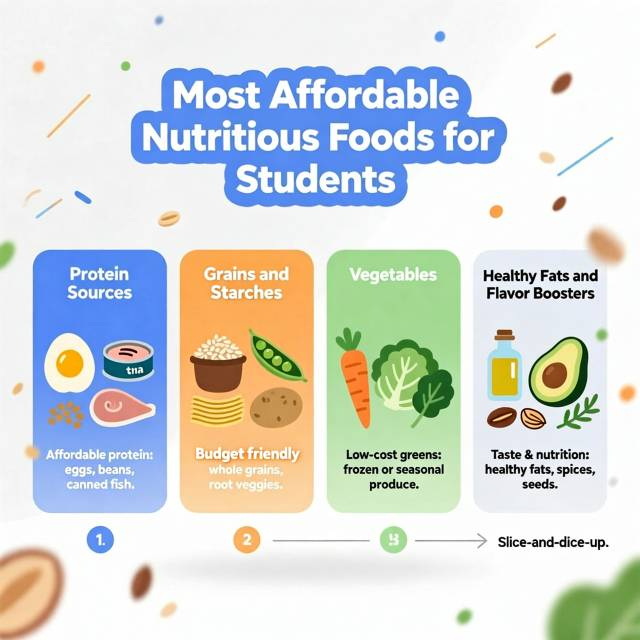
The most affordable nutritious foods providing complete nutrition for under $2-3 per pound include dried beans and lentils offering protein and fiber at $1-1.50 per pound, whole grain rice and oats providing sustained energy at $1-2 per pound, eggs delivering complete protein at $2-3 per dozen, frozen vegetables retaining nutrients while costing 50-70% less than fresh at $1-2 per pound, seasonal produce bought on sale providing vitamins and minerals at variable prices, canned fish like tuna or salmon offering omega-3s at $1-2 per can, and peanut butter delivering protein and healthy fats at $0.15-0.25 per serving.
These staple foods form the foundation of nutritious eating on $25-40 weekly budgets, with students building varied meals by combining different staples rather than buying expensive specialty ingredients or pre-made health foods.
Protein Sources That Won't Destroy Your Budget
Protein typically costs the most, but these options stay affordable. Dried beans and lentils provide 15-20 grams of protein per cooked cup and cost $1-$ 1.50 per pound, dried, yielding 10-12 servings. They require soaking and cooking time, but batch preparation solves this problem. Black beans, pinto beans, chickpeas, and lentils offer versatility across different cuisine types.
Eggs remain one of the cheapest complete proteins at $2-3 per dozen, providing 6 grams of protein each. They cook quickly, work for any meal, and stay fresh for 3-5 weeks refrigerated. A carton of 18 eggs provides protein for 12-15 meals at under $5 total. Most students can eat 1-2 eggs daily as part of balanced meals.
Canned tuna and salmon cost $1-2 per can and provide 20-25 grams of protein plus omega-3 fatty acids. Buy store-brand products packed in water to maximize value. One can make 2-3 servings when mixed with rice, pasta, or salad. Chicken thighs bought in bulk at $1.50-2.50 per pound cost less than breasts while offering more flavor and forgiving cooking.
Grains and Starches for Sustained Energy
Complex carbohydrates provide the sustained energy needed for studying and classes. Brown rice costs $1-2 per pound and provides 45-50 servings per standard bag. It stores indefinitely and combines with any protein or vegetable. White rice costs less but offers fewer nutrients. Oats cost $2-3 for containers providing 30 portions of oatmeal. Steel-cut oats provide better nutrition than instant packets while costing 70% less per serving.
Whole wheat pasta runs $1-1.50 per pound and yields 8 servings. It cooks in 10 minutes and pairs with countless sauces and proteins. Store brand whole grain pasta costs half the price of name brands with identical nutrition. Sweet potatoes cost $0.50-1 per pound and can be microwaved in 6-8 minutes for a complete meal base. They provide vitamin A, fiber, and complex carbs while requiring zero cooking skill.
Vegetables That Maximize Nutrition per Dollar
Frozen vegetables offer better value than fresh while retaining equal or better nutrients since they're frozen immediately after harvest. Mixed vegetable bags cost $1-2 per pound and require no prep beyond heating. Frozen broccoli, spinach, mixed vegetables, and stir-fry blends provide variety. Buy large bags at warehouse stores for maximum savings.
Fresh vegetables that stay affordable include carrots at $0.50-1 per pound, cabbage at $0.30-0.60 per pound, and onions at $0.50-1 per pound. These store for weeks without spoiling and form the base of many meals. Seasonal produce bought on sale can be affordable tomatoes, peppers, and squash when in season. Avoid out of season berries, asparagus, or specialty vegetables that cost $4-8 per pound.
Canned tomatoes cost $0.70-1.50 per large can and form the base for pasta sauces, soups, and chilis. They're actually more nutritious than off season fresh tomatoes. Generic store brands cost 40% less than name brands with identical ingredients.
Healthy Fats and Flavor Boosters
Peanut butter provides healthy fats and protein at $0.15-0.25 per serving. Natural versions with just peanuts and salt cost slightly more but avoid added sugars and oils. A large jar lasts weeks and works for meals beyond just sandwiches, sauces, smoothies, or eating with fruit.
Cooking oil matters for preparation. Vegetable or canola oil costs $3-5 for bottles lasting months. Olive oil costs more, but a small bottle for finishing dishes stretches further than you think. Butter or margarine costs $2-4 per pound and adds flavor to otherwise bland, cheap foods.
Garlic, onion powder, salt, and basic spices transform cheap ingredients into actual food you'll eat. Buy small amounts of versatile spices rather than expensive spice sets. Garlic powder, chili powder, cumin, and Italian seasoning cover most cooking needs for under $10 total and last months.
How Can You Shop Strategically to Reduce Grocery Costs?
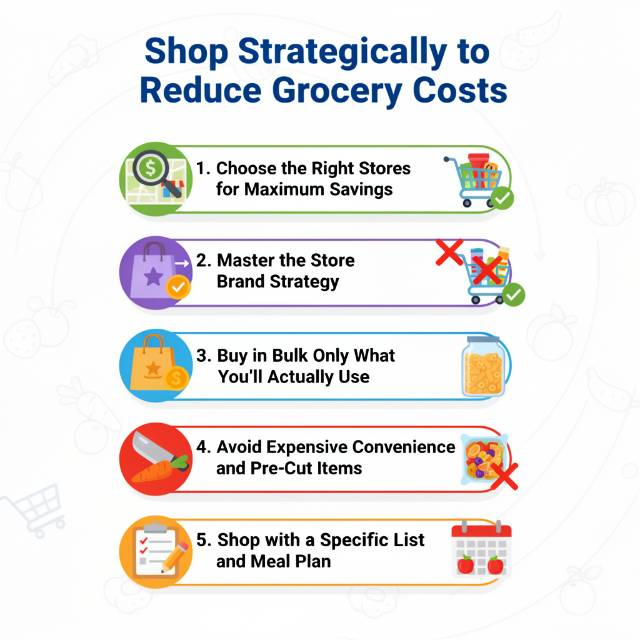
Strategic shopping reduces grocery costs 40-60% through shopping at discount grocers like Aldi, Lidl, or Grocery Outlet where identical items cost 30-50% less than traditional supermarkets, buying store brands that offer the same nutrition as name brands at half the price, purchasing larger quantities of non-perishable staples when on sale to reduce per-unit costs, avoiding convenience and pre-cut items that cost 200-300% more than whole ingredients requiring minor prep, and shopping with specific meal plans preventing impulse purchases that waste money on items you won't actually use.
Students who implement these strategies report reducing weekly grocery spending from $60-80 to $30-45 while actually improving diet quality by focusing on nutritious staples rather than expensive processed convenience foods.
Choose the Right Stores for Maximum Savings
Where you shop dramatically impacts costs. Discount grocers like Aldi or Lidl charge 30-50% less than Kroger, Safeway, or Whole Foods for identical products. They carry fewer brands, but their store brands match or exceed the quality of name brands. A typical grocery trip at Aldi costs $30-35 versus $50-60 at traditional stores for the same items.
Ethnic grocery stores, Asian, Mexican, or Middle Eastern markets, offer staples like rice, beans, and produce at 40-60% lower prices than mainstream stores. A 20-pound bag of rice costs $12-15 at Asian markets versus $25-30 at conventional grocers. These stores cater to customers who cook from scratch, so prices reflect that economy.
Warehouse stores like Costco or Sam's Club save money if you split purchases with roommates. A $60 membership pays for itself in 2-3 months when buying bulk rice, oats, frozen vegetables, and proteins. Don't shop there alone unless you can store and use large quantities before they spoil.
Avoid convenience stores and campus markets charging 200-300% markups on basics. A gallon of milk costs $2-3 at grocery stores versus $5-6 on campus. Plan grocery runs to real stores rather than desperate convenience purchases.
Master the Store Brand Strategy
Store brands offer identical nutrition at 40-60% lower prices. The same factories produce name-brand and store-brand products, changing only the packaging. Generic cereal, canned goods, pasta, rice, frozen vegetables, and dairy products match name brands exactly. The only difference is the marketing budget.
Compare nutrition labels to verify equivalence. If identical, buy the cheaper option always. Store brand whole grain pasta costs $1-1.50 versus $3-4 for name brands. That's $1.50-2.50 saved per pound with zero quality difference. Across a grocery trip, choosing store brands saves $15-25.
Some items worth paying more for include oils, nut butters, and proteins where quality differences affect taste significantly. But for staples like rice, beans, oats, flour, sugar, and basic canned goods, store brands work perfectly.
Buy in Bulk Only What You'll Actually Use
Bulk purchases reduce per-unit costs but only if you use everything before it spoils. Rice, oats, dried beans, pasta, and flour keep for months or years stored properly. Buy the largest size your budget allows. A 20-pound bag of rice seems expensive at $15-20 but provides 100+ servings versus 2-pound bags costing $3-4 for 10 servings.
Proteins and produce spoil faster, so bulk buying requires a strategy. Buy family packs of chicken or ground meat when on sale, divide into portions, and freeze immediately. Frozen vegetables bought in large bags cost less per pound than small bags, while lasting indefinitely.
Don't bulk buy perishables you're unsure about using. Wasted food wastes money. Better to buy smaller amounts of fresh produce initially until you establish cooking patterns.
Avoid Expensive Convenience and Pre-Cut Items
Pre-cut vegetables, pre-cooked proteins, meal kits, and "convenience" items cost 200-400% more than buying ingredients whole and doing 5 minutes of prep yourself. Pre-cut butternut squash costs $4-5 per pound versus $1-1.50 whole. Baby carrots cost $2-3 per pound versus regular carrots at $0.50-1 that you cut yourself in 2 minutes.
Single-serve yogurt costs $1-1.50 each versus large containers providing 6-8 servings for $3-4. Single-serve oatmeal packets cost $0.40-0.60 each versus bulk oats at $0.06-0.10 per serving. The convenience costs 500-600% more for the same food.
Avoid prepared foods from grocery deli sections charging restaurant prices. That rotisserie chicken costs $7-9 when you could buy raw chicken for $1.50-2.50 per pound and cook it yourself. Prepared salads cost $6-8, while the same ingredients cost $2-3.
Shop with a Specific List and Meal Plan
Impulse purchases destroy budgets. Students shopping without lists spend 40-50% more buying items they won't use. Before shopping, plan 5-7 meals for the week and list exact ingredients needed. Buy only what's on the list.
Check what you already have before shopping to avoid duplicate purchases. That half used bag of rice doesn't need another bag beside it. Use what you have first, supplementing with fresh items as needed.
Avoid shopping hungry, as hunger drives impulse purchases of expensive snacks and convenience items. Eat before shopping or bring a small snack. Stick to the store perimeter where whole foods live, avoiding interior aisles full of processed, expensive items.
What Are Time-Efficient Meal Strategies for Busy Students?
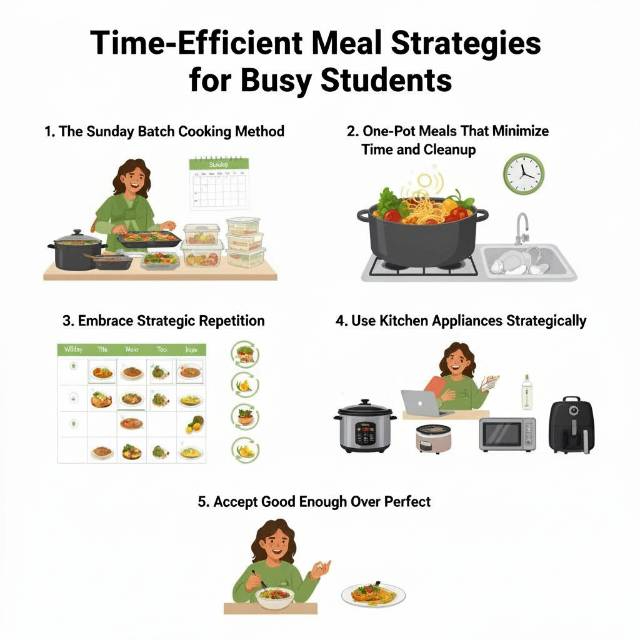
Time-efficient meal strategies for busy students include batch cooking on Sunday afternoons spending 2-3 hours to prepare 8-12 meal portions lasting the week, using one-pot meals like chilis, stir-fries, or grain bowls requiring 30-40 minutes total time including cleanup, embracing simple repetition where eating similar meals daily reduces decision fatigue and shopping complexity, leveraging slow cookers or instant pots for hands-off cooking during class or study time, and accepting that healthy eating doesn't require complex recipes or variety at every meal.
Research on student eating patterns shows that those who batch cook report spending 60-70% less time on food preparation weekly compared to cooking individual meals daily, while maintaining or improving diet quality and reducing food waste by 40-50%.
The Sunday Batch Cooking Method
Dedicate 2-3 hours on one weekend day to cook multiple meals simultaneously. Start rice in a rice cooker, roast two sheet pans of vegetables, cook a pot of beans or lentils, and prepare a protein like chicken thighs or hard boiled eggs. These components combine into different meals throughout the week.
Portion everything immediately into containers so meals are grab-and-go. Six containers with rice, beans, roasted vegetables, and chicken provide lunch for the week. Batch cooking eliminates daily decision-making about what to eat and removes the temptation to order expensive takeout.
During the week, you're just reheating prepared food in 2-3 minutes rather than cooking from scratch when tired after classes. This approach works even with limited kitchen access since most can be reheated in a microwave. Batch cooked meals cost $2-4 per portion versus $8-12 for campus food or takeout.
One-Pot Meals That Minimize Time and Cleanup
One-pot meals cook everything together, requiring minimal monitoring and only one dish to clean. Chilis, stews, and soups combine protein, vegetables, and grains in one pot, simmering 30-60 minutes. You can study while they cook and get multiple meals from one cooking session.
Stir-fries cook in 15-20 minutes total using whatever vegetables need using and a protein. Serve over rice, and you have complete meals. Sheet pan dinners, where you roast protein and vegetables together at 400°F for 25-35 minutes, require 5 minutes of prep and no monitoring.
Grain bowls assemble rather than cook, using batch-prepped components combined in different ways. Rice plus beans plus salsa equals a burrito bowl. Rice plus eggs plus soy sauce equals basic fried rice. Same ingredients, different combinations, minimal time investment.
Embrace Strategic Repetition
Eating similar meals daily feels boring initially, but drastically reduces mental load and decision fatigue. You're not a food blogger needing exciting variety at every meal. Most successful student eaters find 3-4 meals they like and rotate them rather than trying new recipes constantly.
Making the same breakfast daily means you always have ingredients and know exactly how long it takes. Oatmeal with peanut butter and banana every morning for months is fine if it works. The same lunch Monday through Friday eliminates lunchtime decisions and simplifies shopping.
Variety can come from different spices or sauces, transforming the same base ingredients. Rice and beans with different toppings, salsa and cheese one day, curry sauce another, plain with hot sauce a third. The base stays consistent, minimizing shopping and prep, while toppings provide psychological variety.
Use Kitchen Appliances Strategically
Slow cookers or instant pots enable hands-off cooking. Load a slow cooker with chicken, beans, salsa, and spices before morning class. Return 6-8 hours later to ready food. Instant pots pressure cook beans, rice, or stews in 20-30 minutes with minimal attention.
Rice cookers make perfect rice every time while freeing you for other tasks. They cost $15-25 and last for years. Set it up, press start, study for 30 minutes, return to ready rice. Some models have steamer baskets that cook vegetables simultaneously with the rice.
Microwave gets dismissed, but it works for many foods. Baked potatoes cook in 6-8 minutes. Eggs scramble in 1-2 minutes. Vegetables steam in 3-5 minutes. Frozen meals reheat in minutes. When time is limited, microwaving healthy foods beats ordering expensive,e unhealthy takeout.
Accept Good Enough Over Perfect
Perfect elaborate meals take the time you don't have. Good enough meals that provide adequate nutrition in minimal time serve you better during busy semesters. A scrambled egg sandwich doesn't Instagram well, but it provides protein and carbs in 5 minutes.
Canned soup with added frozen vegetables and canned chicken or beans becomes more nutritious in 8-10 minutes. Not fancy, but it works. Pasta with jarred sauce plus frozen vegetables and canned tuna takes 15 minutes and provides balanced nutrition.
When facing finals or major projects where even basic tasks feel overwhelming, prioritizing your highest academic stakes matters more than cooking from scratch. Having contingency plans,s including simple throw-together meals or strategic use of an essay writing service for lower priority assignments, preserves energy for both academic essentials and basic selfcare rather than letting everything collapse under impossible pressure.
How Can You Eat Healthy with Limited Kitchen Access?
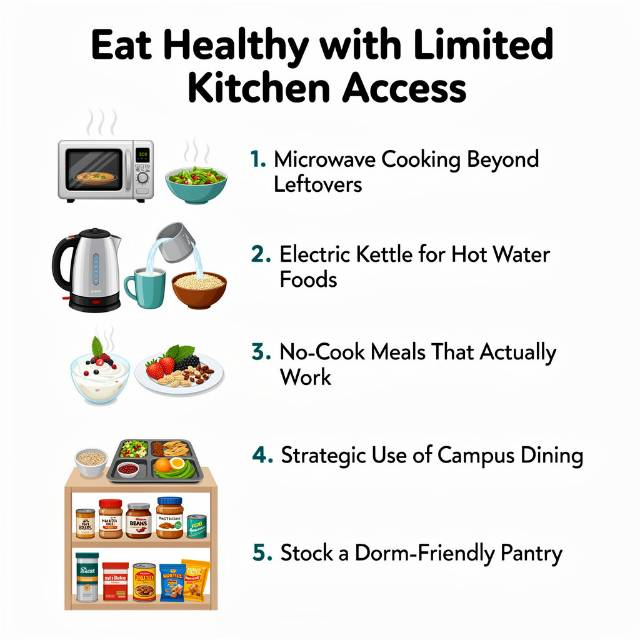
Students can eat healthily with limited kitchen access by maximizing microwave cooking for proteins like eggs and chicken, vegetables, potatoes, and grains that heat thoroughly without stovetops, using electric kettles for oatmeal, instant soups, and couscous requiring only boiling water, storing non-perishable proteins like canned fish, beans, and nut butter plus whole grain crackers and dried fruits requiring no refrigeration, assembling no-cook meals like wraps, sandwiches, and salads using fresh vegetables, proteins, and whole grain bread that need only mini-fridge storage, and utilizing campus dining halls strategically for one meal daily while supplementing with dorm-friendly options.
Research on dorm nutrition shows students with only mini-fridges and microwaves can maintain nutritious diets comparable to those with full kitchens when using strategic no-cook and microwave-friendly foods, with meal costs averaging $4-6 per day versus $12-18 relying entirely on campus dining or delivery.
Microwave Cooking Beyond Leftovers
Microwaves cook more than people realize. Scrambled eggs cook in 60-90 seconds stirring halfway through. Microwave scrambled eggs in a mug with frozen vegetables creates protein-packed breakfast in 2 minutes. Chicken breast cooks through in 4-6 minutes, though the texture isn't as good as other methods.
Baked potatoes microwaved in 6-8 minutes, providing a meal base you top with canned chili, cheese, or canned tuna. Sweet potatoes cook similarly and offer more nutrition. Frozen vegetables steam perfectly in microwave-safe containers with 2 tablespoons of water in 3-5 minutes.
Oatmeal cooks in 2-3 minutes in the microwave. Mix oats with water or milk, microwave, and add peanut butter and banana for complete breakfast. Many grains, including quinoa and couscous, cook in a microwave with appropriate water ratios. Check package instructions for microwave methods.
Electric Kettle for Hot Water Foods
Electric kettles boil water in 2-3 minutes, enabling various quick meals. Instant oatmeal, couscous, instant rice, and ramen all work with just boiling water. Better quality instant soups provide decent nutrition when you add frozen vegetables, canned beans, or eggs.
Whole grain couscous costs $2-3 per box and cooks by pouring boiling water over it and waiting 5 minutes. Add canned chickpeas, dried fruits, nuts, and spices for complete meals. It keeps for days refrigerated and tastes good cold.
Some dried bean varieties, like lentils, can soak in hot water for 30-60 minutes, becoming soft enough to eat. Not ideal, but it works in emergencies. Instant black bean flakes or refried bean powder plus hot water create a bean base for wraps or bowl meals.
No-Cook Meals That Actually Work
Many nutritious meals require zero cooking. Sandwiches and wraps using whole grain bread or tortillas, protein like canned tuna, turkey slices, or hard-boiled eggs, and vegetables like lettuce, tomatoes, or peppers provide complete nutrition. Add hummus, cheese, or avocado for healthy fats.
Salad jars layer ingredients keeping them fresh for 3-4 days. Put dressing in bottom, harder vegetables like carrots and cucumbers next, softer vegetables and protein above, and greens on top. Shake when ready to eat. Prepare 3-4 at once for grab-and-go lunches.
Grain bowls assemble cold using microwaved rice or couscous, cooled, then combined with canned beans, fresh or pickled vegetables, and sauce. Mediterranean bowls use hummus, chickpeas, cucumbers, tomatoes, and feta. Mexican bowls use beans, salsa, corn, and cheese. Asian bowls use canned tuna, edamame, cucumber, and soy sauce.
Strategic Use of Campus Dining
If you have any meal plan, maximize its value by eating your biggest meal there. Load up on proteins, whole grains, and vegetables at lunch or dinner. Many dining halls allow taking fruit or bagels with you for later.
Supplement dining hall meals with dorm-friendly breakfasts and snacks. Overnight oats prepared in mason jars, hard-boiled eggs bought at grocery stores, Greek yogurt, whole grain crackers with peanut butter, and fruit all store in mini-fridges and require no preparation.
If dining plans are expensive, calculate whether you're actually using all your meals. Many students would save money canceling plans and cooking dorm-friendly foods. A dining plan costing $3,000 per semester equals about $21 per day. You can eat much cheaper with strategic dorm cooking.
Stock a Dorm-Friendly Pantry
Even without a kitchen, certain staples enable quick nutritious meals. Non-perishable proteins include canned tuna, salmon, and chicken, dried beans, nut butters, and protein powder. Carbohydrates include oatmeal, whole grain crackers, rice cakes, whole wheat tortillas, and instant brown rice.
For flavor and nutrients, stock salsa, hot sauce, soy sauce, olive oil, garlic powder, and salt. These transform bland basics into actual food you'll eat. Canned tomatoes, beans, and vegetables provide nutrition when fresh isn't available. Dried fruits and nuts offer healthy snacks and meal components.
Store perishables strategically in limited fridge space. Eggs keep 3-5 weeks, hard cheeses last weeks, and vegetables like carrots and cabbage store longer than lettuce or berries. Buy smaller amounts of perishables more frequently rather than large amounts that spoil.
What Are Common Mistakes Students Make with Budget Eating?
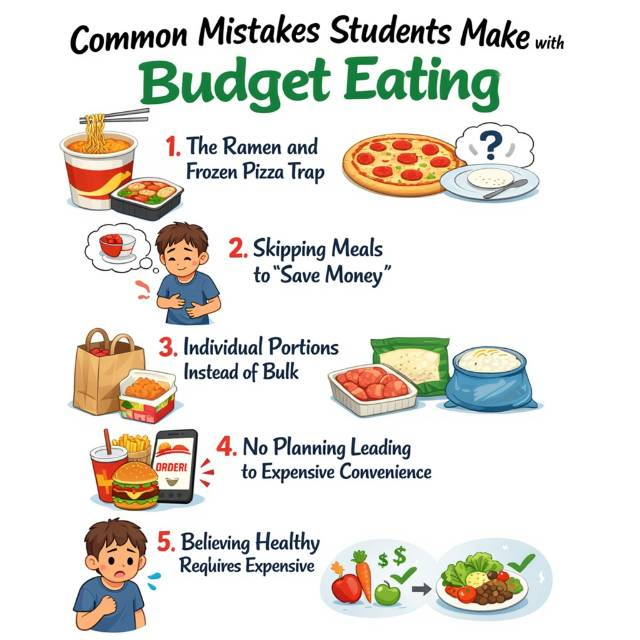
Common budget eating mistakes include relying on ultra-processed foods like ramen and frozen pizza that seem cheap per package but provide poor nutrition causing increased hunger and health problems costing more long-term, skipping meals to save money which reduces cognitive function and increases expensive impulsive food purchases later, buying individual portions of items available in bulk at 60-70% lower per-serving costs, not planning ahead leading to expensive convenience purchases when hungry without better options, and believing healthy eating requires expensive organic specialty foods rather than affordable basic whole foods.
Studies show students making these mistakes spend 40-60% more on food while achieving worse nutrition compared to peers who plan strategically, with the biggest cost coming from frequent small convenience purchases totaling $150-250 monthly versus $120-160 for planned grocery shopping.
The Ramen and Frozen Pizza Trap
Ramen costs $0.20-0.40 per package, making it seem economical, but it provides primarily refined carbs and sodium with minimal protein, fiber, or nutrients. Eating ramen creates hunger within 2-3 hours, triggering additional food purchases. Three ramen packages daily, plus subsequent hunger-driven snacks, cost more than actual meals providing sustained nutrition.
Frozen pizzas run $3-6 each and seem affordable, but contain 2-3 servings of low-quality calories. Two people sharing a frozen pizza feel hungry again in 3-4 hours. The same $6 buys ingredients for 4-6 servings of pasta with vegetables and protein, providing actual nutrition and satiation.
If eating ramen or frozen meals, upgrade them strategically. Add eggs, frozen vegetables, and canned chicken to ramen, creating actual nutrition. Top frozen pizza with additional vegetables and protein. These additions cost $1-2 but transform empty calories into decent meals.
Skipping Meals to "Save Money"
Skipping meals seems financially smart, but it backfires cognitively and metabolically. Missing breakfast reduces concentration during morning classes and increases the likelihood of expensive impulse lunch purchases. Your body runs on insufficient fuel, causing fatigue that reduces study effectiveness.
Extreme hunger drives poor decisions. You order $15 delivery instead of cooking the $3 meal you planned because you're too hungry to wait. You buy $8 of vending machine snacks instead of $2 of actual food. Consistent meals prevent expensive desperation eating.
Basic breakfast like oatmeal costs $0.25-0.50 per serving and prevents the cycle of skipping meals and then overspending. That upfront $0.50 saves $5-10 in subsequent impulse purchases driven by excessive hunger.
Individual Portions Instead of Bulk
Single-serve yogurt, oatmeal packets, juice boxes, and snack packs cost 300-500% more per serving than buying in bulk. A box of instant oatmeal packets costs $4-5 for 8 servings, versus bulk oats costing $3 for 30 servings. You're paying $2-3 extra weekly for convenience you don't need.
Individual portions create more waste and cost dramatically more over a semester. If buying three $1 single-serve yogurts daily, that's $21 weekly versus $6-8 for large yogurt containers providing the same servings. You're spending $13-15 extra weekly or $195-225 extra per semester.
Reusable containers let you portion bulk items yourself. Buy large yogurt containers and portion into small containers for grab-and-go convenience at bulk prices. Same with snacks, granola, and trail mix.
No Planning Leading to Expensive Convenience
Students without meal plans or groceries resort to expensive convenience when hungry. Ordering delivery costs $12-18 per meal, including fees and tips. Eating campus food runs $8-12 per meal. These add up to $20-30 daily or $140-210 weekly, versus $40-60 grocery shopping, providing better food.
The pattern develops: no planned breakfast, so buy $6 bagel sandwich. No packed lunch, so buy $10 campus food. Too tired to cook dinner, so order $15 delivery. That's $31 for one day's food when $8-12 grocery money would have fed you better.
Preventing this requires minimal planning, having breakfast food available, packing lunches the night before, and keeping easy dinner components on hand. When busy academic periods hit and planning feels impossible, having backup strategies, including simple meals or using a trusted essay writing service for assignments in less critical courses, protects your budget and nutrition from complete collapse.
Believing Healthy Requires Expensive
Health food marketing convinces students that nutrition requires organic produce, superfoods, and expensive specialty items. Regular produce provides the same vitamins as organic for half the price. Beans and rice offer better nutrition than trendy quinoa or ancient grains, costing 4-5 times more.
Frozen vegetables retain equal or better nutrients than fresh ones while costing less. Store brand whole grain bread offers the same fiber as expensive artisan loaves. Generic peanut butter provides identical protein to fancy almond butter, costing three times more.
The healthiest diets globally center on affordable basics: beans, rice, vegetables, modest amounts of meat, eggs, and seasonal fruits. Expensive doesn't mean healthier. Whole foods in their basic forms provide excellent nutrition regardless of organic certification or superfood marketing.
Bottom Line: Key Takeaways
Healthy eating on student budgets is possible through strategic food choices, efficient preparation methods, and avoiding common expensive mistakes:
- Focus on affordable, nutritious staples like beans, rice, eggs, frozen vegetables, and seasonal produce, providing complete nutrition at $2-4 per pound
- Shop strategically at discount grocers, buy store brands, and purchase bulk quantities of non-perishables for 40-60% savings.
- Batch cook simple meals on weekends for 2-3 hours, creating 8-12 portions lasting the week.
- Use one-pot meals, microwave cooking, and electric kettles to prepare nutritious food with minimal equipment.t
- Avoid expensive convenience items, individual portions, and the belief that healthy eating requires costly specialty foods.
The biggest barrier to student nutrition isn't knowledge but practical implementation within time and budget constraints. When you establish systems for affordable, nutritious eating, planned shopping, batch cooking, and strategic staple foods, healthy eating becomes sustainable rather than overwhelming. During particularly stressful academic periods, having backup plans and preserving energy through strategic delegation of lower-priority work maintains both your nutrition and academic performance rather than letting either collapse.
Your nutrition directly impacts cognitive function, energy levels, and academic performance. Investing minimal time in strategic grocery shopping and basic meal preparation pays returns in better concentration, fewer illnesses, and improved grades. The goal isn't perfect nutrition or elaborate meals, but consistent, adequate nutrition that fuels your body and brain without destroying your budget. Start with one or two strategies from this guide rather than attempting a complete diet overhaul, building sustainable habits that serve you through college and beyond.