Education & Learning Through Classification (30 Topics)
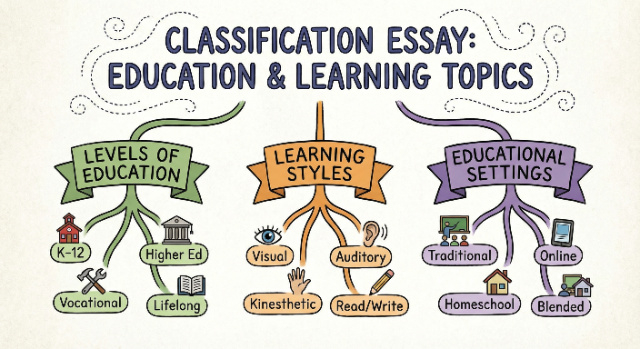
Study Habits & Academic Approaches
- College students by deadline management approach (procrastinators, steady workers, overachievers)
- Study environments students prefer (library studiers, home workers, cafe studiers, group studiers)
- Note taking methods by organization style (linear, Cornell method, mind mapping, outline format)
- Test preparation strategies (cramming, gradual reviewers, practice test takers, group studies)
- Learning styles by information processing (visual learners, auditory learners, kinesthetic learners, reading/writing learners)
- Homework completion approaches (night before finishers, weekend batch workers, daily completers, deadline extenders)
- Class participation styles (frequent contributors, strategic speakers, question only askers, silent observers)
- Academic motivation types (grade driven, knowledge seeking, career focused, parent pleasing)
- Reading strategies for textbooks (skimmers, highlighters, note takers, re-readers)
- Group project contributors (leaders, workers, free riders, compromisers)
Stuck on Categories? We Can Classify That.
Our writers excel at creating clear, logical classification essays every single day:
- Work with YOUR topics and chosen structure
- Define categories with sharp, compelling examples
- Meet any deadline, no matter how tight
- Zero Plagiarism, 100% human-written
No generic sorting. Just essays that organize ideas brilliantly.
Get Custom Order NowTeaching & Education Systems
- Teaching styles by instructional approach (traditional lecturers, facilitators, hybrid instructors, flipped classroom teachers)
- Classroom management approaches (strict disciplinarians, relationship builders, reward system users, student choice advocates)
- Assignment types by skill focus (memorization based, analysis required, creative expression, practical application)
- Grading philosophies (strict curve graders, mastery based, effort rewarding, portfolio assessors)
- Educational technology integration levels (tech resistant, selective users, tech dependent, innovative experimenters)
- Student feedback methods (traditional tests, project based, peer assessment, self reflection)
- College majors by career preparation (vocational training, academic research, professional certification, creative development)
- Online learning engagement styles (camera on participators, chat only contributors, passive viewers, asynchronous workers)
- Academic advising approaches (directive prescriptive, collaborative exploratory, hands off minimal, holistic developmental)
- Campus housing preferences (dormitory residents, off campus apartment dwellers, commuters, home stayers)
Additional Education Topics
- Types of college students by social integration
- Library users by purpose
- Scholarship applicants by strategy
- Academic advisors by approach
- Student organizations by mission
- Campus dining preferences
- Study abroad participants by motivation
- Tutoring approaches
- Academic dishonesty types
- College application strategies
Classification Essay Topics: Technology & Social Media (30 Topics)

Social Media Behavior
- Social media users by engagement level (lurkers, casual sharers, content creators, influencers)
- Instagram posting styles (aesthetic curators, life documenters, story only users, meme sharers)
- Online commenters by tone (constructive contributors, trolls, cheerleaders, fact checkers)
- TikTok content creators by niche (dancers, educators, comedians, lifestyle vloggers)
- Facebook users by generational behavior (Boomers, Gen X, Millennials, Gen Z)
- Twitter/X personalities (news sharers, thread creators, reply only accounts, lurker readers)
- LinkedIn users by networking approach (job seekers, thought leaders, recruiters, passive profile maintainers)
- YouTube viewers by consumption pattern (binge watchers, educational seekers, background listeners, short form only)
- Social media privacy approaches (completely public, friends only, highly restricted, account less lurkers)
- Online community moderators (strict rule enforcers, community building facilitators, hands off observers, active participants)
Technology Usage & Digital Life
- Smartphone users by dependency level (constantly connected, balanced users, minimal checkers, deliberate non users)
- Email management styles (inbox zero achievers, organized filers, search dependent hoarders, notification ignorers)
- Video game players by motivation (competitive esports, story driven, social connection, casual relaxation)
- Streaming service subscribers by viewing habits (completionists, samplers, background watchers, binge only viewers)
- Tech adopters by innovation timing (early adopters, early majority, late majority, laggards)
- Password security approaches (unique complex, reused simple, manager dependent, biometric only)
- Smart home users by automation level (fully automated, convenience focused, security only, skeptical non adopters)
- Podcast listeners by consumption style (daily commuters, multitaskers, dedicated listeners, speed adjusters)
- Online shopping behaviors (impulse buyers, comparison researchers, review dependent, cart abandoners)
- Digital content consumers by payment (premium subscribers, ad tolerators, free only users, piracy reliant)
Additional Technology Topics
- Cloud storage organization methods
- Notification management strategies
- Video call participants by behavior
- App organization on home screens
- Digital photo storage approaches
- Music streaming playlist creators
- Dating app users by approach
- Fitness tracker users by motivation
- Online learning platform preferences
- Cybersecurity awareness levels
Psychology & Behaviour Topics for Classification Essay (30 Topics)
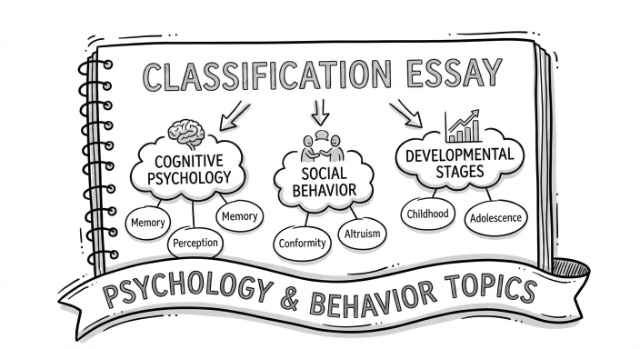
Personality & Behavior Patterns
- Decision making styles (analytical planners, intuitive gut followers, consensus seekers, impulsive actors)
- Conflict resolution approaches (competing dominators, accommodating peacekeepers, avoiding withdrawers, collaborating problem solvers, compromising negotiators)
- Communication styles by directness (direct assertive, passive indirect, passive aggressive, aggressive hostile)
- Stress management strategies (exercise releasers, social supporters, avoidance deniers, problem focused copers)
- Time perception personalities (always early, punctual precise, fashionably late, chronically tardy)
- Risk taking tendencies (thrill seeking adventurers, calculated risk takers, cautious avoiders, paralyzed over analyzers)
- Procrastination types (perfectionist delayers, rebellion resistors, overwhelmed avoiders, thrill seeking last minute)
- Listening styles (active engaged, selective filtering, pretend nodding, impatient)
- Apology approaches (genuine remorse, excuse makers, blame shifters, non apologizers)
- Criticism receivers (growth minded learners, defensive rejectors, people pleasing over correctors, dismissive ignorers)
Mental Health & Wellbeing
- Anxiety manifestations (physical symptoms, racing thoughts, avoidance behaviors, perfectionism)
- Self care practices by priority (physical health, mental health, social connection, creative expression)
- Sleep personality types (early birds, night owls, inconsistent sleepers, nap dependent)
- Motivational styles (intrinsically driven, extrinsically rewarded, socially motivated, fear driven)
- Emotional expression styles (openly expressive, controlled, reserved, explosive, sudden, suppressive deniers)
- Boundary setting approaches (rigid, inflexible, healthy balanced, porous weak, aggressive demanding)
- Change response patterns (enthusiastic embracers, cautious adapters, resistant fighters, paralyzed freezers)
- Self talk patterns (encouraging, neutral observers, harsh critics, mixed, inconsistent)
- Attention styles (hyperfocused intense, easily distracted, selective filterers, scattered multitaskers)
- Gratitude practices (daily journalers, verbal expressers, action demonstrators, mental noticers)
Additional Psychology Topics
- Memory types by retention
- Fear responses by activation
- Attachment styles in relationships
- Coping mechanisms by effectiveness
- Learning from failure approaches
- Perfectionism manifestations
- Social anxiety types
- Emotional regulation strategies
- Self esteem sources
- Habit formation approaches
Business & Career Related Classification Ideas (30 Topics)
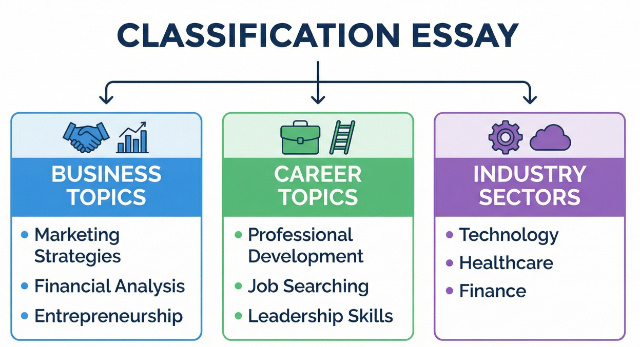
Workplace & Professional Behavior
- Leadership styles by approach (autocratic directors, democratic collaborators, laissez faire delegators, transformational inspirers)
- Employee work styles (independent self starters, collaborative team players, structured task followers, innovative experimenters)
- Meeting participants by contribution (agenda drivers, active contributors, silent observers, off topic distractors)
- Email professionals by style (formal lengthy, brief efficient, emoji users, delayed responders)
- Office workers by workspace preference (private office isolators, cubicle dwellers, open space collaborators, remote workers)
- Professional development approaches (continuous learners, mentorship seekers, credential collectors, experience only believers)
- Work life balance seekers (strict boundary setters, flexible blenders, work first sacrificers, life first prioritizers)
- Networking styles (strategic connectors, authentic relationship builders, transactional exchangers, reluctant avoiders)
- Presentation styles (data driven analytical, storytelling narrative, visual heavy, minimalist direct)
- Feedback givers (direct honest, sandwich approach, vague diplomatic, avoidant silent)
Career & Business Strategy
- Job seekers by strategy (mass appliers, targeted researchers, networkers, passive recruiters)
- Entrepreneurs by risk tolerance (bootstrapped cautious, VC funded aggressive, side hustle gradual, calculated risk takers)
- Customer service approaches (by the book rule followers, empathetic problem solvers, minimal effort, above and beyond)
- Sales professionals by technique (consultative advisors, aggressive closers, relationship builders, technical experts)
- Management philosophies (micromanagers, macromanagers, servant leaders, results only)
- Negotiation tactics (competitive win-lose, collaborative win-win, accommodating, avoiding)
- Project management styles (agile adaptive, waterfall sequential, hybrid flexible, chaotic reactive)
- Business communication preferences (email documentation, phone call immediacy, video meeting personal, messaging quick)
- Career changers by motivation (passion pursuers, burnout escapers, salary increasers, lifestyle seekers)
- Professional brand builders (thought leaders, specialist experts, generalist connectors, behind scenes operators)
Additional Business Topics
- Customer types by buying behavior
- Team roles by contribution
- Office politics players
- Innovation adoption in companies
- Corporate culture types
- Remote work productivity styles
- Career advancement strategies
- Business meeting types by purpose
- Professional dress code approaches
- Workplace conflict sources
Overwhelmed by Topics? Find Your Perfect Fit.
Let our experts help you classify, outline, and write with clarity
- Build essays from YOUR selected topics and criteria
- Create distinct, well-defined categories that impress
- 24/7 Support
- Original content, never AI-generated
No confusing groupings. Just essays that make perfect grades
Order NowClassification Essay Topics: Relationships & Social Life (30 Topics)
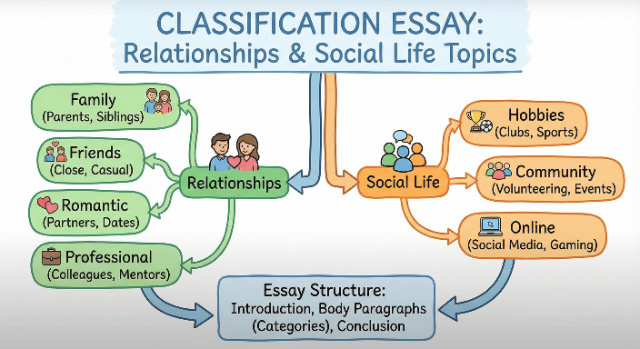
Friendship & Social Dynamics
- Friendship types by intimacy level (acquaintances, close friends, best friends, chosen family)
- Social event attendees (early arrivers, fashionably late, party of one solos, group dependent)
- Conversation styles (deep talk philosophers, small talk masters, debate enthusiasts, listener supporters)
- Gift giving approaches (thoughtful personal, practical useful, expensive impressive, last minute generic)
- Social media friends vs. real friends (online only, close both places, rarely interact, selective sharers)
- Party guests by energy (wallflower observers, social butterflies, center of attention performers, early leavers)
- Conflict avoiders in friendships (direct confronters, passive ignorers, third party mediators, relationship enders)
- Group chat participants (constant contributors, meme sharers, read only lurkers, notification mutters)
- Weekend planners (spontaneous adventurers, advance schedulers, homebody relaxers, FOMO sufferers)
- Social battery types (extroverted energizers, introverted rechargers, ambivert adapters, situation dependent)
Dating & Romantic Relationships
- Dating app users by approach (selective swipes, mass right swipers, profile perfectionists, reluctant users)
- First date styles (formal dinner traditionalists, activity based adventurers, coffee casual testers, group setting cautious)
- Love language primary types (words of affirmation, quality time, physical touch, acts of service, gifts)
- Relationship communication styles (over communicators, under communicators, conflict avoiding, aggressive)
- Commitment readiness levels (relationship seekers, casually dating, situation dependent, commitment phobic)
- Breakup handlers (clean break cutters, slow fade ghosters, friendship maintainers, on off recyclers)
- Jealousy manifestations (communicative expressers, silent sufferers, controlling restricters, secure trusters)
- Relationship social media approaches (couple content posters, private keepers, selective sharers, strategic taggers)
- Anniversary/special occasion celebrators (elaborate planners, low key observers, forgetful non celebrators, last minute scramblers)
- Long distance relationship maintainers (constant communicators, trust and space givers, countdown focused, struggle survivors)
Additional Relationship Topics
- Roommate types by cleanliness
- Family communication patterns
- Wedding guests by behavior
- Holiday celebration approaches
- Apology styles in relationships
- Trust building methods
- Boundary enforcement in families
- Sibling relationship dynamics
- In law relationship navigators
- Pet owners by attachment level
Study Examples. Review classification essay examples to see topics developed into complete essays
Health & Lifestyle Ideas For Classification Essays (30 Topics)
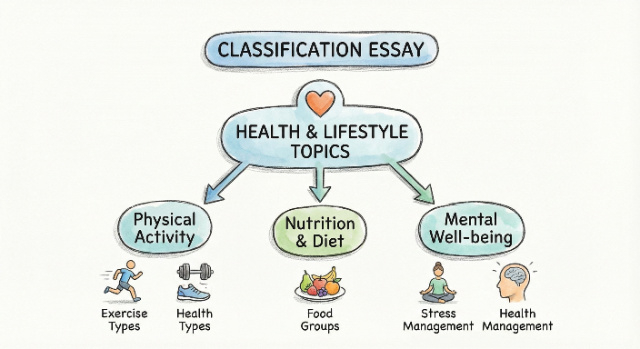
Fitness & Exercise
- Gym goers by motivation (appearance focused, health driven, stress relief, social connection)
- Exercise preferences (cardio enthusiasts, strength trainers, yoga/flexibility, sports players)
- Fitness class participants (front row over achievers, back row hiders, middle ground balancers, at home streamers)
- Running types (competitive racers, casual joggers, treadmill only, trail adventurers)
- Workout schedule followers (morning exercisers, lunch breakers, evening gym goers, whenever possible inconsistent)
- Fitness goal setters (weight loss focused, strength building, endurance increasing, maintenance only)
- Workout music preferences (high energy pump up, podcast listeners, no music focused, ambient background)
- Home exercise equipment users (fully equipped home gyms, minimal gear bodyweight, unused decoration, outdoor preferrers)
- Fitness tracker wearers (data obsessives, casual checkers, competition driven, non users)
- Group fitness preferences (class enthusiasts, workout buddy pairs, solo exercisers, virtual community)
Diet & Nutrition
- Eating patterns by timing (three meal traditionalists, intermittent fasters, constant grazers, one meal a day)
- Dietary approaches (omnivores, vegetarians, vegans, keto/low carb, paleo, pescatarians)
- Meal preparation styles (batch prep planners, daily cookers, takeout reliant, meal kit users)
- Restaurant diners by adventurousness (same order creatures, menu explorers, dietary restricted, recommendation followers)
- Grocery shoppers by method (list strict planners, recipe based buyers, impulse purchasers, delivery only)
- Coffee/caffeine consumers (multi cup dependent, morning only ritualists, afternoon boost users, non consumers)
- Snacking behaviors (healthy snackers, junk food indulgers, emotional eaters, non snackers)
- Water intake approaches (gallon a day trackers, thirst dependent drinkers, forget until dehydrated, mostly other beverages)
- Food waste approaches (leftover savers, eat everything finishers, frequent wasters, compost conscious)
- Supplement users (extensive regimen, basic multivitamin, food only purists, trendy fad followers)
Additional Health & Lifestyle Topics
- Sleep hygiene practices
- Mental health treatment seekers
- Medical appointment approaches
- Illness response patterns
- Stress relief methods
- Morning routine types
- Night routine approaches
- Self care priorities
- Alcohol consumption patterns
- Smoking cessation attempts
Classification Essay Topics Regarding Entertainment & Pop Culture (30 Topics)
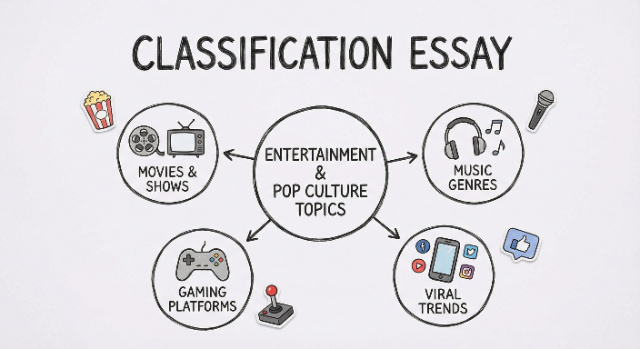
Media Consumption
- TV show watchers (weekly release followers, binge watchers, background players, selective episode pickers)
- Movie theater attendees (opening weekend rushers, matinee bargain hunters, special occasion only, streaming only avoiders)
- Book readers by genre preference (fiction escapists, non fiction learners, mixed genre hoppers, re-readers)
- Music listeners by discovery method (algorithm fed, friend recommendations, radio traditionalists, deep dive researchers)
- Concert/festival attendees (front row fanatics, lawn relaxers, VIP experience seekers, one and done tryers)
- Gaming preferences (console players, PC gamers, mobile casual, retro collectors)
- Sports fans by engagement level (season ticket holders, TV only watchers, highlights only checkers, non followers)
- Social media content consumers (scroll and like passives, comment engagers, share enthusiasts, create only posters)
- Podcast listeners by loyalty (single show devoted, multi show samplers, episode pickers, abandoners)
- Streaming platform subscribers (single service loyal, multi platform rotators, password sharers, piracy reliant)
Hobbies & Interests
- Photography types (professional gear collectors, smartphone snappers, special occasion only, never take photos)
- Travel styles (luxury relaxation, budget backpacking, cultural immersion, adventure seeking)
- Cooking enthusiasts (recipe followers, intuitive improvisers, baking specialists, grilling masters)
- Pet owners by involvement (pet parent devoted, casual caretakers, minimal effort, regretful reluctant)
- Fashion approaches (trend followers, classic timeless, comfort first, brand conscious)
- Shopping styles (bargain hunters, quality investors, impulse buyers, necessity only)
- Home decorators (minimalist sparse, maximalist collectors, eclectic mixers, uninvolved basic)
- Gardening types (vegetable growers, flower cultivators, low maintenance succulents, brown thumb non gardeners)
- DIY project tacklers (ambitious renovators, simple craft makers, YouTube learners, hire professional avoiders)
- Collectors by focus (valuable investments, nostalgic memories, completion obsessives, random accumulators)
Additional Entertainment Topics
- Board game players by competitiveness
- Social media platform preferences
- News consumption methods
- Comedy preferences by type
- Art appreciation approaches
- Theater/performance attendees
- Celebrity following behaviors
- Trend adoption speeds
- Meme culture participants
- Online community memberships
Write Your Thesis! Visit our classification thesis guide and master thesis statement formulas for a strong foundation.
Politics & Social Issues For Classification (30 Topics)
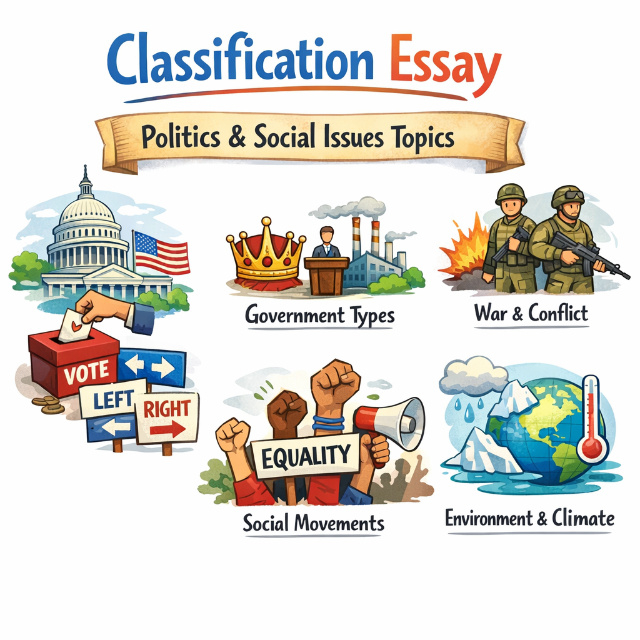
Civic & Political Engagement
- Voters by participation level (every election voters, presidential only, issue driven selective, non voters)
- Political information sources (traditional news, social media, trusted individuals, multiple cross checked)
- Activism approaches (frontline protesters, online advocates, financial donors, conversation starters)
- Political discussion styles (debate seeking challengers, echo chamber remainers, bridge builders, topic avoiders)
- Volunteer motivations (cause driven passionate, resume building, social connection, required service)
- Charity donors (regular committed, spontaneous emotional, tax benefit strategic, non givers)
- Community involvement levels (active leaders, occasional participants, aware non participants, disconnected uninvolved)
- Environmental consciousness (zero waste committed, conscious consumers, occasional recyclers, unconcerned)
- Social media activism (daily posters, petition signers, share only supporters, skeptical observers)
- News consumers by frequency (multiple times daily, once daily, weekly check ins, headline only skimmers)
Social & Cultural Topics
- Commuters by transportation (drivers, public transit users, cyclists, walkers, carpoolers)
- Work from home approaches (separate office space, couch workers, coffee shop nomads, bedroom based)
- Punctuality attitudes by culture (early respectful, on time precise, fashionably late acceptable, chronically tardy)
- Tipping practices (generous over tippers, standard percentage, minimal required, service dependent, non tippers)
- Phone etiquette (always answer, screen first decidders, voicemail only, text preferred)
- Personal space preferences (large bubble requirers, comfortable close, situation dependent, unaware invaders)
- Small talk approaches (weather discussers, compliment givers, question askers, topic avoiders)
- Queue/line behavior (patient waiters, space respecters, line cutters, complaining impatient)
- Elevator etiquette (button holder helpers, phone scrolling ignorers, conversation makers, silent riders)
- Public bathroom users (thorough hand washers, quick rinse rushers, phone using lingerers, no wash door openers)
Additional Social Topics
- Noise tolerance levels
- Recycling commitment approaches
- Pet etiquette in public
- Sidewalk walking patterns
- Mask wearing during illness
- Holiday decoration enthusiasm
- Neighbor interaction styles
- Public speaking comfort levels
- Personal finance approaches
- Time management philosophies
Develop Your Outline! Use our classification essay outline templates to structure your planning.
Want the structure AND the content? Say less! Our professional essay writing service delivers complete classification essays with balanced categories and strong evidence.
How to Choose Classification Essay Topics: Selection Strategy
- Choose topics you can observe: Personal experience generates better examples than purely research based topics for shorter essays
- Avoid overdone topics: "Types of friends" and "types of students" are done to death pick something fresh
- Consider your audience: Academic audience accepts serious topics; general audience prefers relatable, everyday subjects
- Test your organizing principle: Before committing, write out your categories. Do they overlap? If yes, refine your principle
- Match length to complexity: Simple topics (social media users) suit 750-1,000 words; complex topics (leadership styles) need 1,500+ words
Want to Stand Out? Master the Art of Classification.
Work with a pro to turn your topics into an A grade worthy essay
- Refine YOUR voice and analytical approach
- Craft memorable categories that engage readers
- Never miss a deadline
- Authentic writing, no AI shortcuts
No dull divisions. Just essays that showcase your critical thinking.
Order TodayClassification Essay Topics: Start Writing Your Essay
Pick topics allowing 3-6 distinct categories with concrete examples you can access through observation or research. Educational topics work for academic audiences while social media and lifestyle topics engage general readers. Browse categories above, test your chosen topic by listing potential categories and examples, then visit our classification essay guide for complete writing instructions, including organizing principles and thesis formulas.

-19438.jpg)